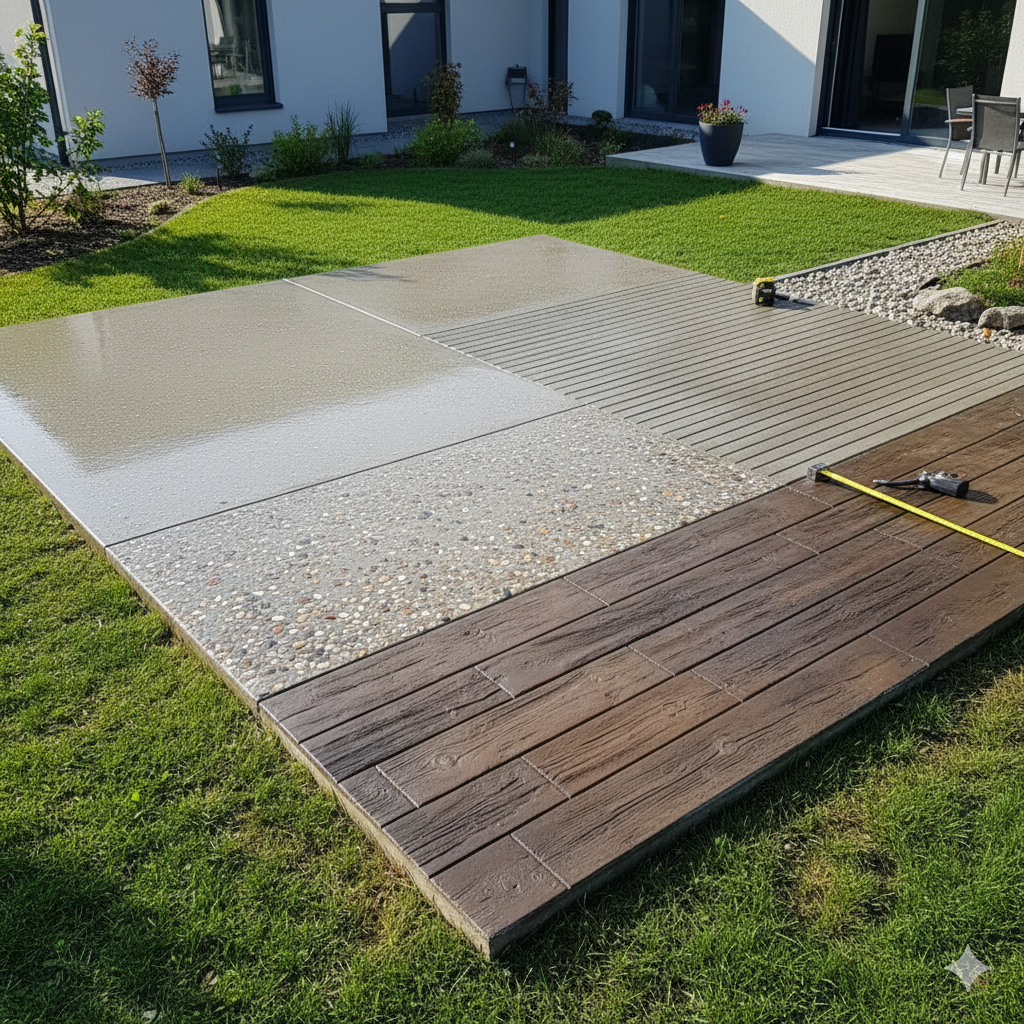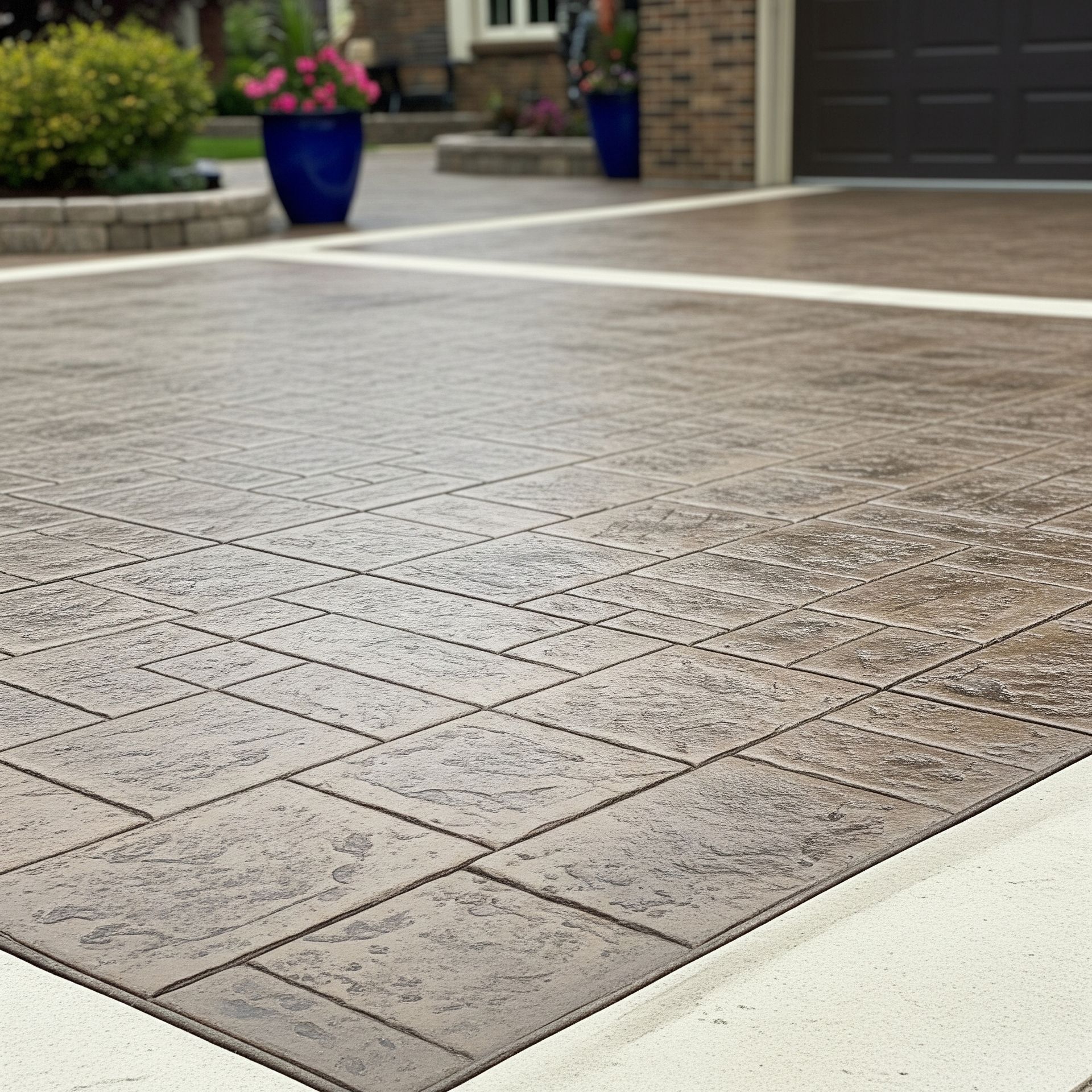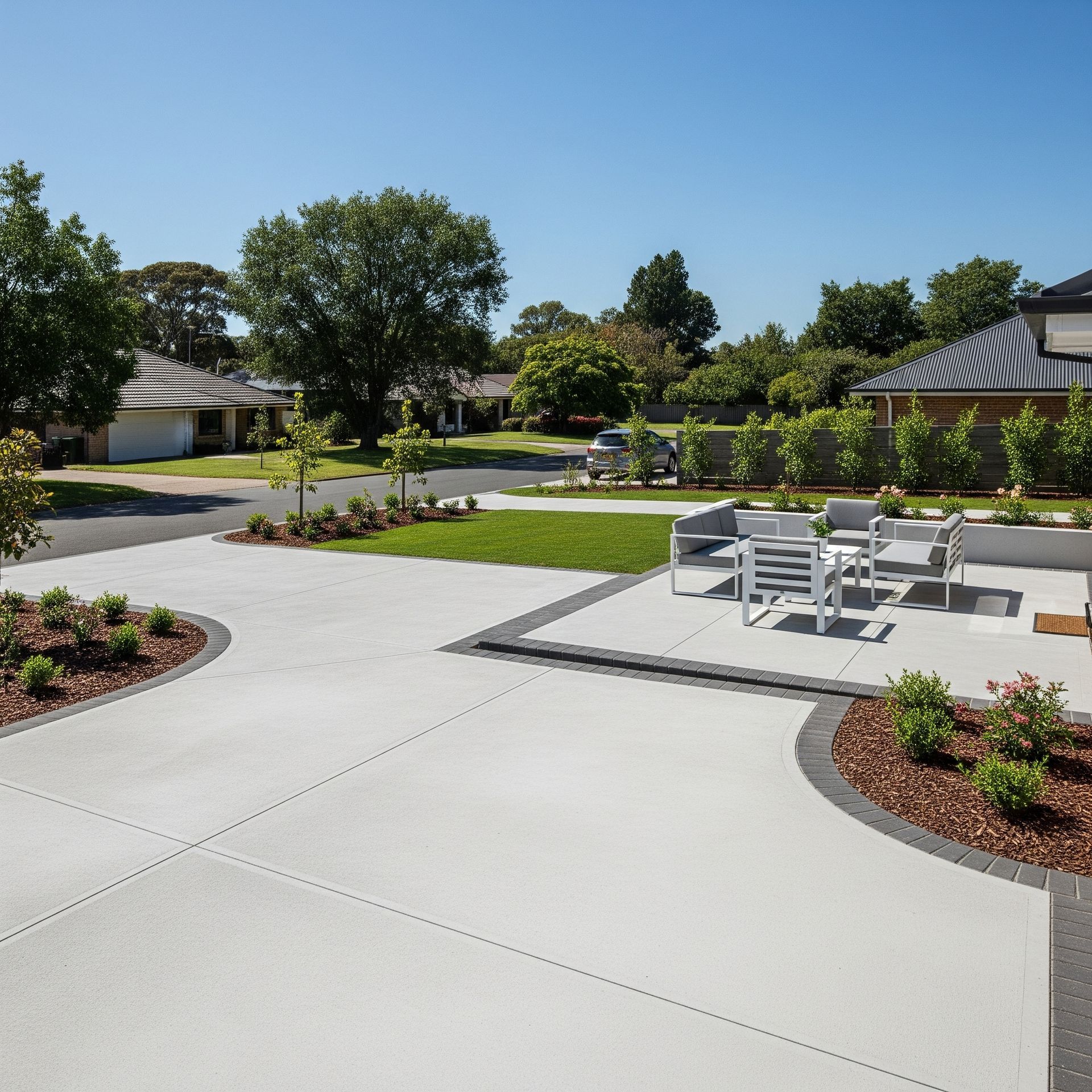
Top Commercial Concrete Coating Solutions for Warehouses & Garages
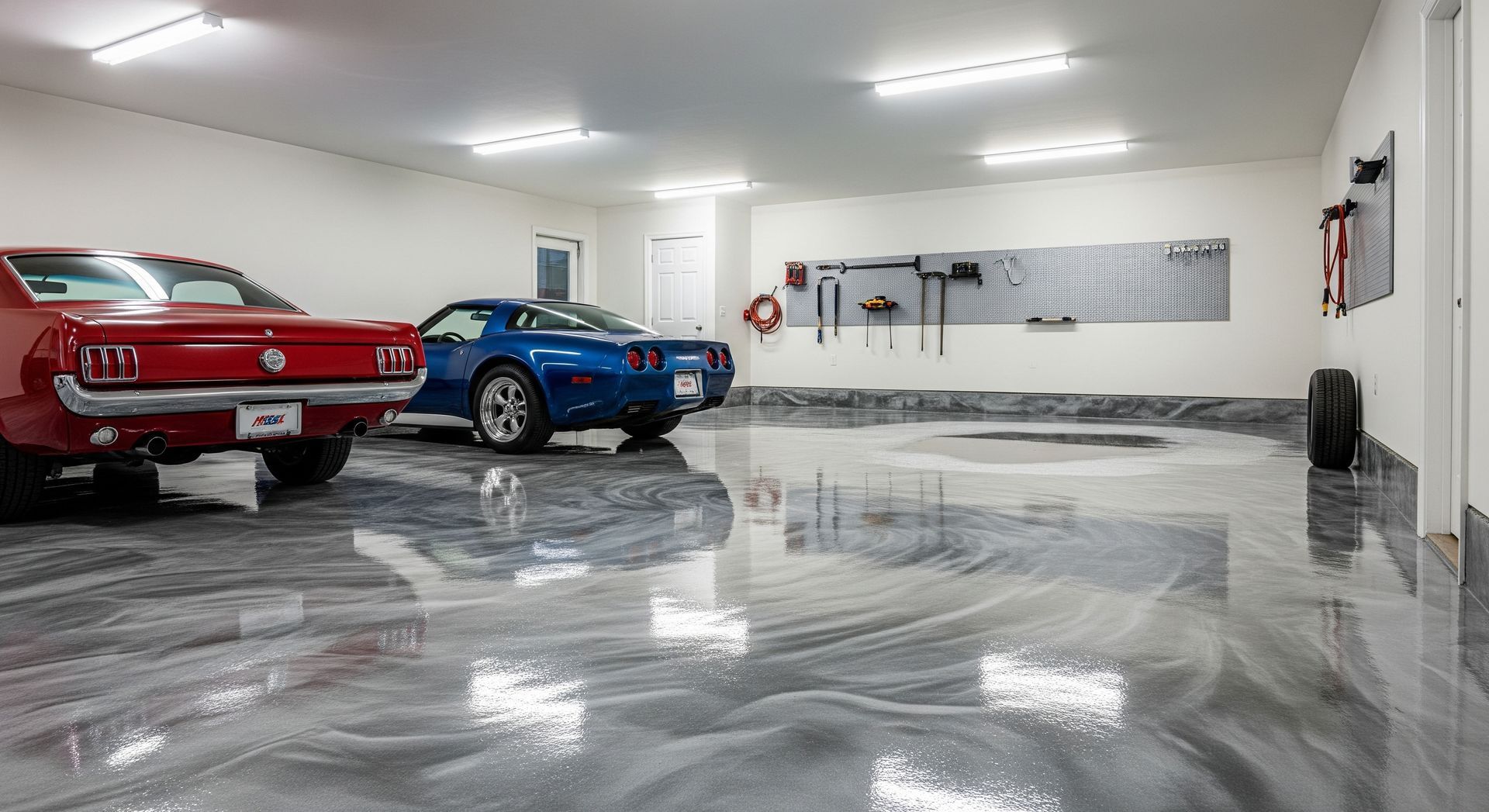
Concrete floors in commercial spaces like warehouses and garages endure heavy foot traffic, machinery, and harsh chemical exposure. Choosing the right coating solution can extend the life of your floors, improve safety, and enhance aesthetics. From epoxy coatings to polyurea, commercial concrete coatings provide a durable, low-maintenance solution that meets a variety of operational needs.
Whether you are maintaining an existing facility or designing a new space, understanding the options for commercial concrete coatings is essential for long-term performance.
Key Takeaways
- Commercial concrete coatings protect floors from wear, chemicals, and heavy loads.
- Epoxy coatings are versatile, durable, and ideal for high-traffic areas.
- Polyaspartic and polyurea coatings offer fast curing times and superior chemical resistance.
- Concrete sealers enhance surface protection and reduce maintenance needs.
- Proper floor preparation is critical for coating adhesion and longevity.
- Selecting the right coating depends on the specific needs of your warehouse or garage.
Why Commercial Concrete Coatings Are Essential
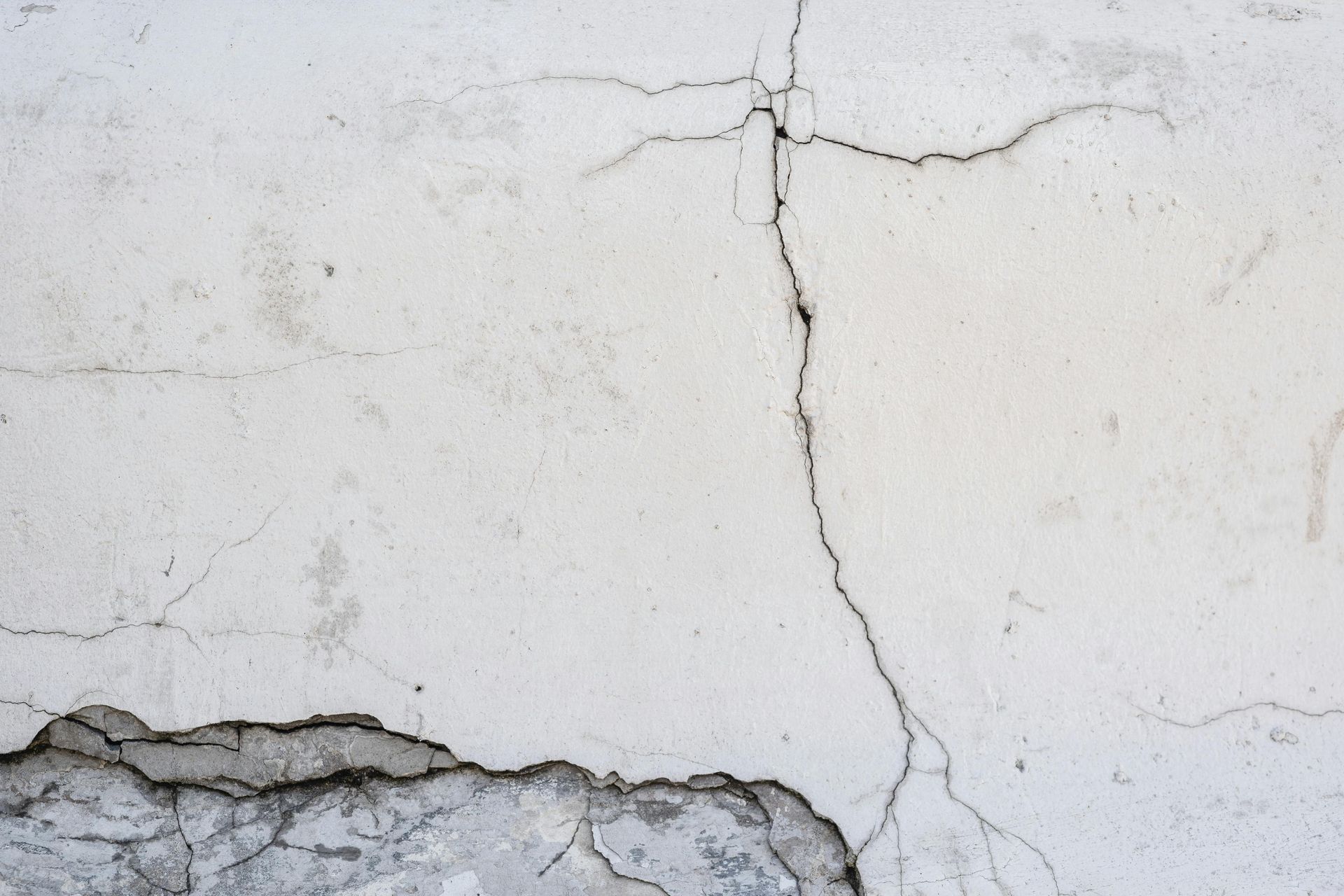
Warehouses and garages face constant exposure to heavy equipment, forklifts, spills, and foot traffic. Uncoated concrete floors can quickly develop cracks, stains, and surface degradation. Commercial concrete coatings offer several benefits:
- Durability: Protects concrete from impact, abrasion, and heavy loads.
- Chemical Resistance: Safeguards against oils, solvents, and cleaning chemicals.
- Safety: Non-slip finishes reduce the risk of workplace accidents.
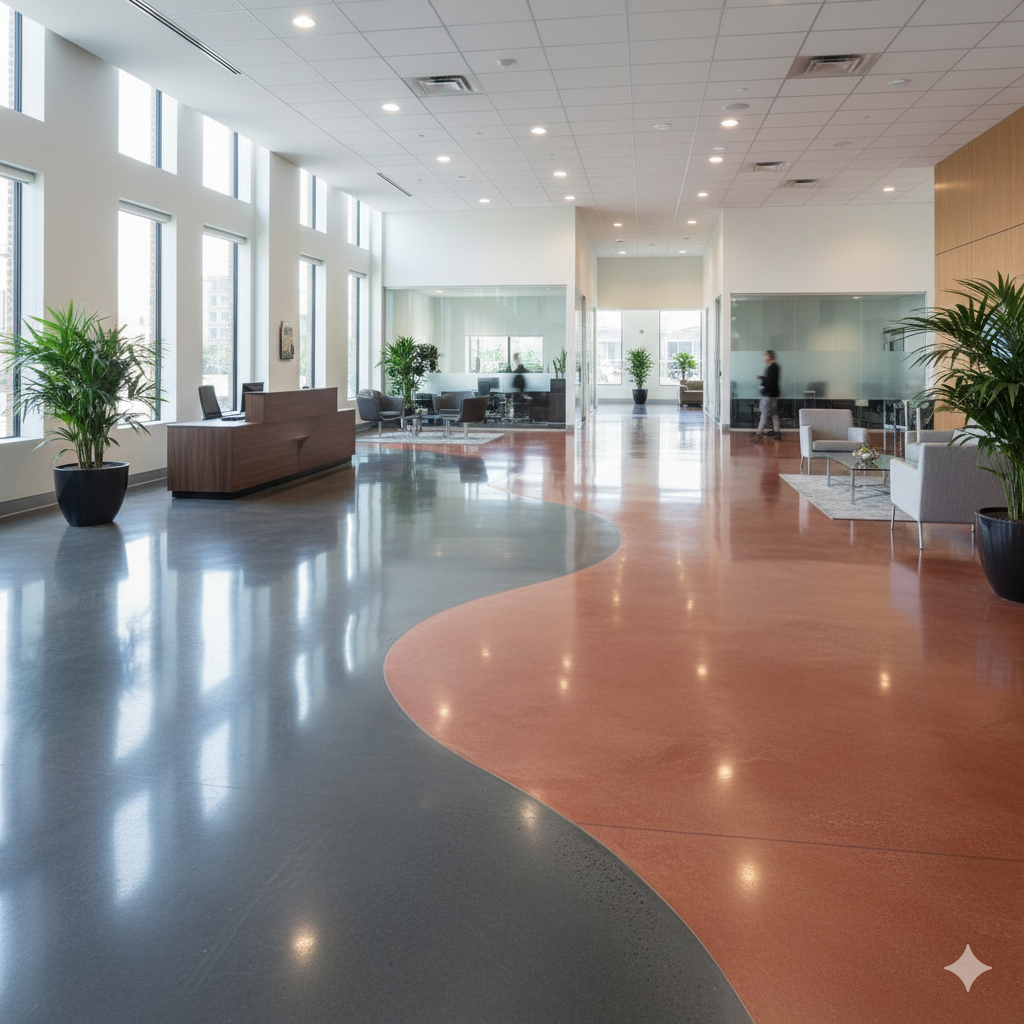
- Aesthetic Appeal: Provides a clean, professional look for employees and clients.
- Maintenance Reduction: Coated floors are easier to clean and maintain.
Investing in a commercial concrete coating ensures long-term floor performance while reducing repair costs.
Common Types of Commercial Concrete Coatings
Selecting the right coating depends on your facility’s needs, traffic levels, and environmental factors. Here are the most popular options:
1. Epoxy Coatings
Epoxy coatings are a top choice for commercial and industrial spaces. They consist of a resin and hardener that form a tough, seamless surface.
Advantages:
- Excellent durability and abrasion resistance
- Resistant to chemicals, oils, and stains
- Can be customized with colors and decorative flakes
Ideal Use: High-traffic areas, warehouse floors, and garage surfaces that require long-lasting protection.
2. Polyaspartic Coatings
Polyaspartic coatings are a fast-curing option often used in industrial settings. They are a type of polyurea coating with excellent UV stability and chemical resistance.
Advantages:
- Quick curing time, often within hours
- Strong chemical and abrasion resistance
- Can be applied in varying thicknesses
Ideal Use: Facilities that require minimal downtime during installation and need long-term durability
3. Polyurea Coatings
Polyurea coatings are highly flexible and resilient, making them suitable for extreme conditions. They bond well to concrete and withstand heavy loads.
Advantages:
- Excellent resistance to impact and abrasion
- Can handle rapid temperature changes
- Long lifespan with minimal maintenance
Ideal Use: High-impact areas and facilities with exposure to moisture or temperature fluctuations.
4. Concrete Sealers
Sealers penetrate the concrete surface or form a protective layer on top. They enhance the floor’s durability and reduce absorption of liquids.
Advantages:
- Protects against water, oils, and chemicals
- Reduces dusting and staining
- Affordable maintenance solution
Ideal Use: Low- to medium-traffic areas where a cost-effective protective solution is needed.
Factors to Consider When Choosing a Coating
Choosing the right concrete coating requires considering several key factors:
| Factor | Importance |
|---|---|
| Traffic Load | Heavier machinery or foot traffic requires more durable coatings. |
| Chemical Exposure | Areas with oils, solvents, or cleaning chemicals need chemical-resistant coatings. |
| Installation Time | Fast-curing coatings minimize facility downtime. |
| Surface Preparation | Proper cleaning, grinding, or priming ensures adhesion. |
| Aesthetic Requirements | Consider color, texture, and decorative options for branding and appearance. |
| Budget | Evaluate upfront costs versus long-term maintenance and durability. |
Preparing Concrete Floors for Coating
Proper preparation is critical for long-lasting performance. Steps may include:
- Cleaning: Remove all dirt, grease, and oils from the surface.
- Repairing: Fill cracks and repair damaged areas.
- Grinding or Shot Blasting: Create a rough surface to improve coating adhesion.
- Moisture Testing: Ensure concrete is dry to prevent coating failures.
- Priming: Apply a primer to promote better bonding for certain coatings.
Skipping proper preparation can lead to peeling, bubbling, and shortened lifespan of your coating.
Benefits of Professional Installation
While DIY coating solutions are available, commercial applications often benefit from professional expertise.
Reasons to Hire Professionals:
- Correct surface preparation ensures adhesion and longevity
- Uniform application prevents weak spots or uneven finishes
- Expertise with industrial-grade coatings improves durability and safety
- Professionals often provide warranties for added peace of mind
A properly installed coating can last years longer than a DIY solution and reduce overall maintenance costs.
Maintenance Tips for Coated Concrete Floors
Maintaining commercial concrete coatings ensures durability and appearance. Key practices include:
- Regular cleaning with mild detergents
- Promptly addressing spills or chemical exposure
- Using floor mats or pads under heavy machinery
- Periodic inspections for cracks, peeling, or wear
- Reapplying coatings or sealers as recommended by the manufacturer
Routine maintenance can significantly extend the life of your investment.
Slip Resistance Options for Warehouse and Garage Floors
Slip resistance is a key safety consideration in warehouses and garages, where spills, dust, oil, and moisture are common. A properly selected and installed concrete coating can significantly reduce the risk of slips and falls while still allowing for easy cleaning and long-term durability.
Why Slip Resistance Matters
Busy commercial spaces often have a mix of foot traffic, forklifts, carts, and vehicles. Smooth concrete, especially when coated without texture, can become slick when wet or contaminated with oil or dust. Slip-resistant finishes help:
- Reduce workplace accidents and injuries
- Improve employee confidence and productivity
- Support safety compliance programs
- Protect visitors and clients entering the space
Adding slip resistance does not mean sacrificing appearance or cleanability. Many modern coatings balance safety with a professional look.
Common Slip-Resistant Additives
Slip resistance is usually created by adding textured materials into the coating or broadcasting them onto the surface before the final coat cures.
Popular options include:
- Silica Sand: A cost-effective and widely used additive that creates fine texture.
- Aluminum Oxide: Provides a harder, more durable grit for high-traffic or heavy-use areas.
- Polymer Grits: Synthetic materials that offer consistent texture and are easier to clean.
- Crushed Quartz: Adds texture and can enhance decorative finishes at the same time.
Each additive varies in roughness, durability, and ease of maintenance.
Slip Resistance and Coating Types
Different coatings handle texture in different ways:
- Epoxy Coatings: Can accept a wide range of slip-resistant additives and decorative aggregates.
- Polyaspartic Coatings: Often use broadcast grit between layers for strong adhesion and traction.
- Polyurea Coatings: Bond well with textured systems for high-impact and high-moisture areas.
- Sealants: Light traction additives can be mixed in, but they are better for low-risk areas.
The coating type should match both the traction needs and the expected traffic load.
Wet, Oily, and Dusty Conditions
Garages and warehouses often deal with challenging surface conditions:
- Oil and grease from vehicles
- Water from cleaning or weather exposure
- Dust and debris from materials and machinery
Slip-resistant systems designed for these environments use coarse aggregates or specialized textures that maintain grip even when contaminants are present. Regular cleaning is still essential to prevent buildup that can reduce traction.
Visual and Design Considerations
Slip-resistant floors can still look clean and professional. Options include:
- Clear topcoats with traction additives
- Colored coatings with subtle texture
- Decorative flake systems with built-in grip
These systems allow businesses to maintain branding and aesthetics while improving safety.
Maintenance of Slip-Resistant Floors
Textured floors require slightly different care than smooth ones:
- Use soft-bristle brushes or auto scrubbers
- Avoid waxes or sealers that reduce traction
- Clean spills promptly to prevent slick buildup
- Inspect high-traffic areas for wear
With proper care, slip-resistant coatings can remain effective for many years.
Choosing the Right Slip-Resistance Level
The goal is to provide enough traction for safety without making the floor uncomfortable or difficult to maintain. A professional installer can evaluate:
- Traffic patterns
- Moisture exposure
- Equipment and vehicle use
- Cleaning methods
This helps determine the right balance of texture, durability, and appearance for your warehouse or garage.
Frequently Asked Questions
How long does a commercial concrete coating last?
Depending on the type and usage, coatings can last anywhere from 5 to 20 years with proper maintenance.
Can coatings be applied to old concrete floors?
Yes, with proper cleaning, repair, and preparation, most coatings can be applied to existing concrete.
Are commercial concrete coatings slip-resistant?
Yes, many coatings can include non-slip additives or textures to improve workplace safety.
How long does installation take?
Epoxy coatings may require 24-72 hours to cure, while polyaspartic or polyurea coatings can cure in just a few hours.
Are coatings resistant to chemicals and oils?
Most commercial coatings, including epoxy and polyurea, provide excellent chemical and oil resistance when properly applied.
Commercial concrete coatings are an essential investment for warehouses, garages, and industrial spaces. They provide long-term durability, improve safety, and enhance the appearance of your facility. From epoxy and polyaspartic coatings to concrete sealers, selecting the right solution depends on traffic load, chemical exposure, installation requirements, and budget.
Proper preparation,
professional installation, and ongoing maintenance are key to maximizing the lifespan and performance of coated floors. With the right approach, your warehouse or garage floors will remain resilient, safe, and visually appealing for years to come.
Upgrade your warehouse or garage floors today with high-quality commercial concrete coatings. tic appeal of your pavements.
Reference:
https://www.croccoatings.com/top-5-industrial-floor-coatings-compared/
Share this article