Stamped vs Colored Concrete Driveway Ideas for Every Home
Your driveway is more than just a functional space for parking. It sets the tone for your home’s exterior, adding style, curb appeal, and even potential property value. Concrete driveways remain a popular choice for homeowners due to their durability and versatility. Within this category, stamped and colored concrete driveways offer unique options for homeowners who want to combine functionality with visual appeal.
In this guide, we will explore the differences, benefits, and creative ideas for stamped and
colored concrete driveways, helping you choose the right solution for your home.
Key Takeaways
- Stamped concrete mimics natural materials like stone, brick, or tile, adding texture and pattern to your driveway.
- Colored concrete allows you to customize the driveway’s color, ranging from subtle earth tones to bold, modern shades.
- Durability is high for both stamped and colored concrete, but proper sealing is crucial to maintain appearance.
- Maintenance differs slightly: stamped surfaces may require more attention to preserve texture, while colored concrete may need periodic resealing to prevent fading.
- Both options are versatile and can suit traditional, modern, or rustic home styles.
- Budget and complexity are factors: stamped concrete may cost more due to labor-intensive patterns, while colored concrete is often simpler to install.
Understanding Stamped Concrete Driveways
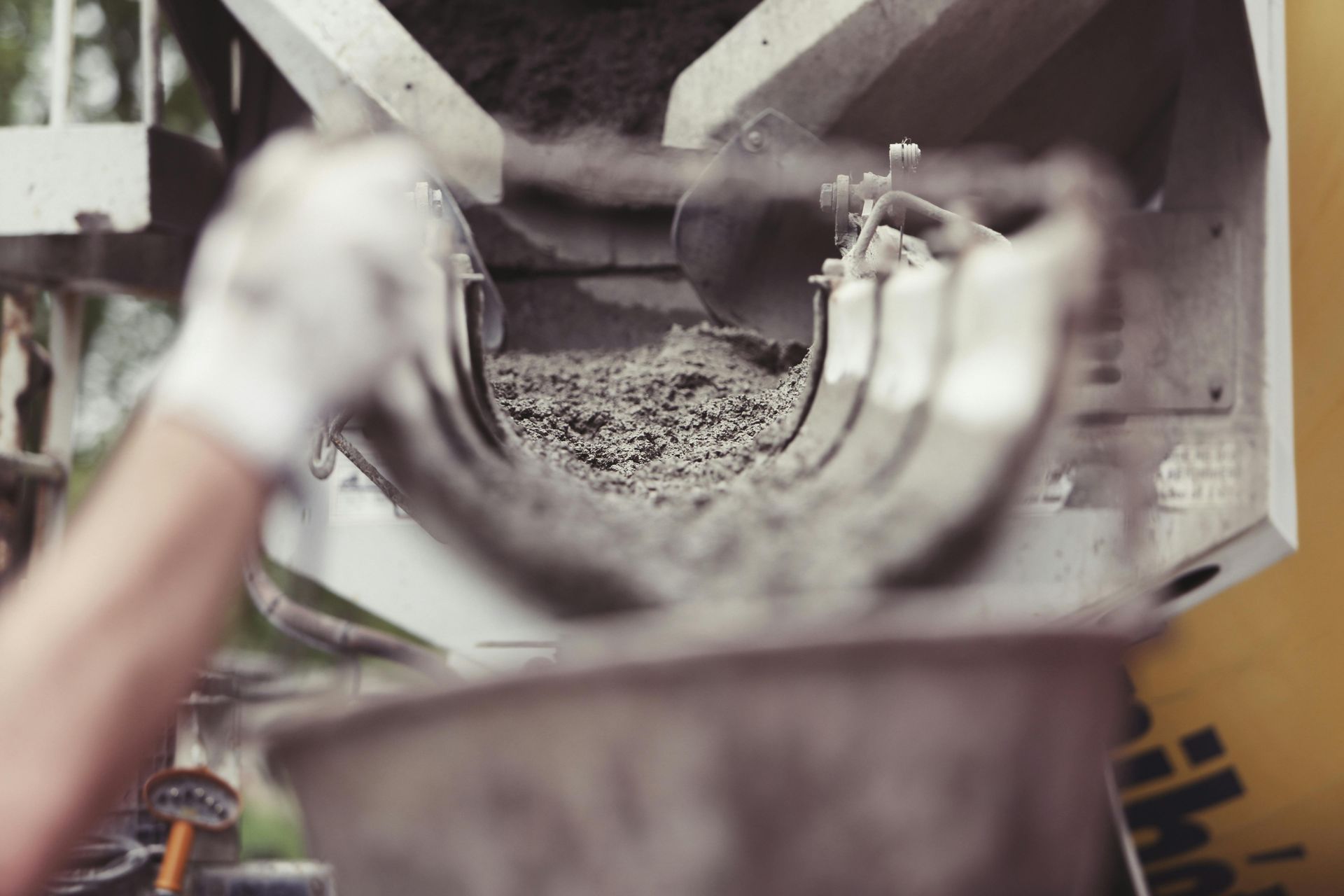
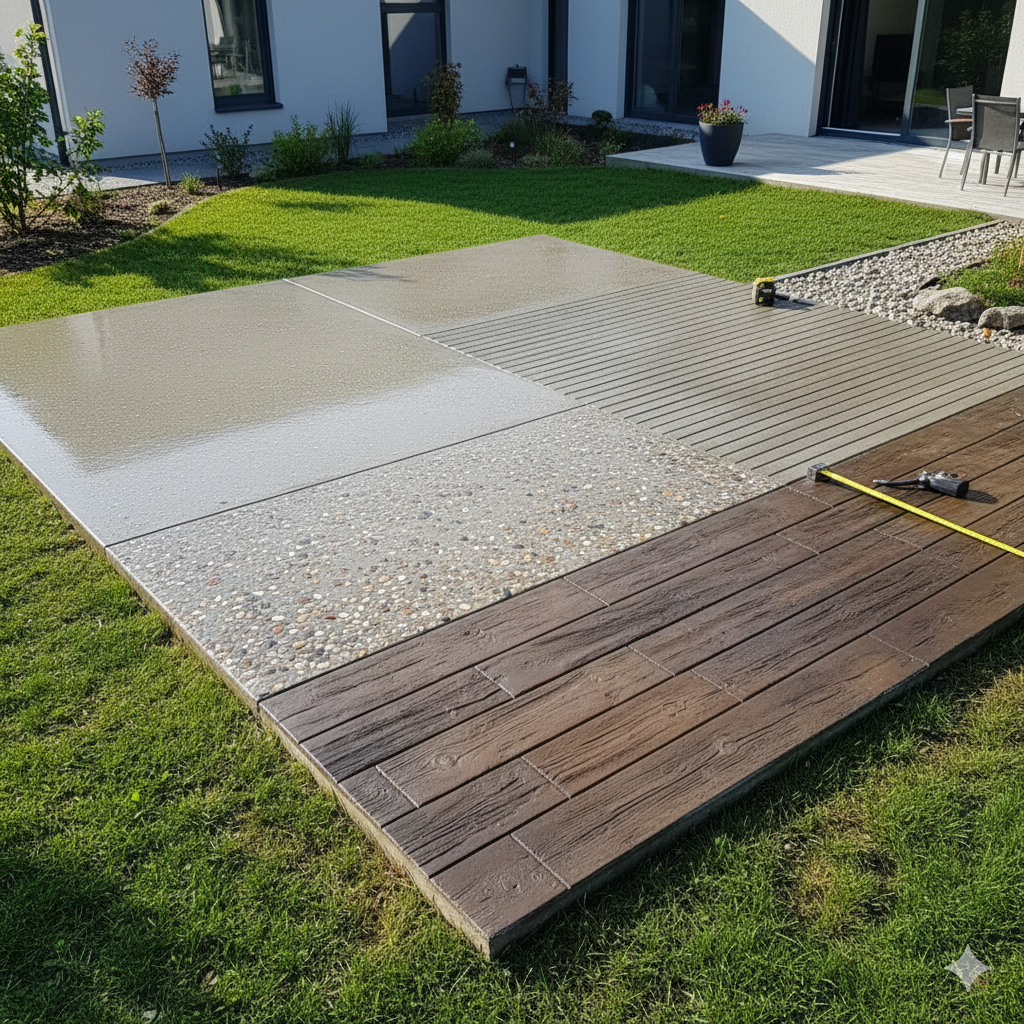
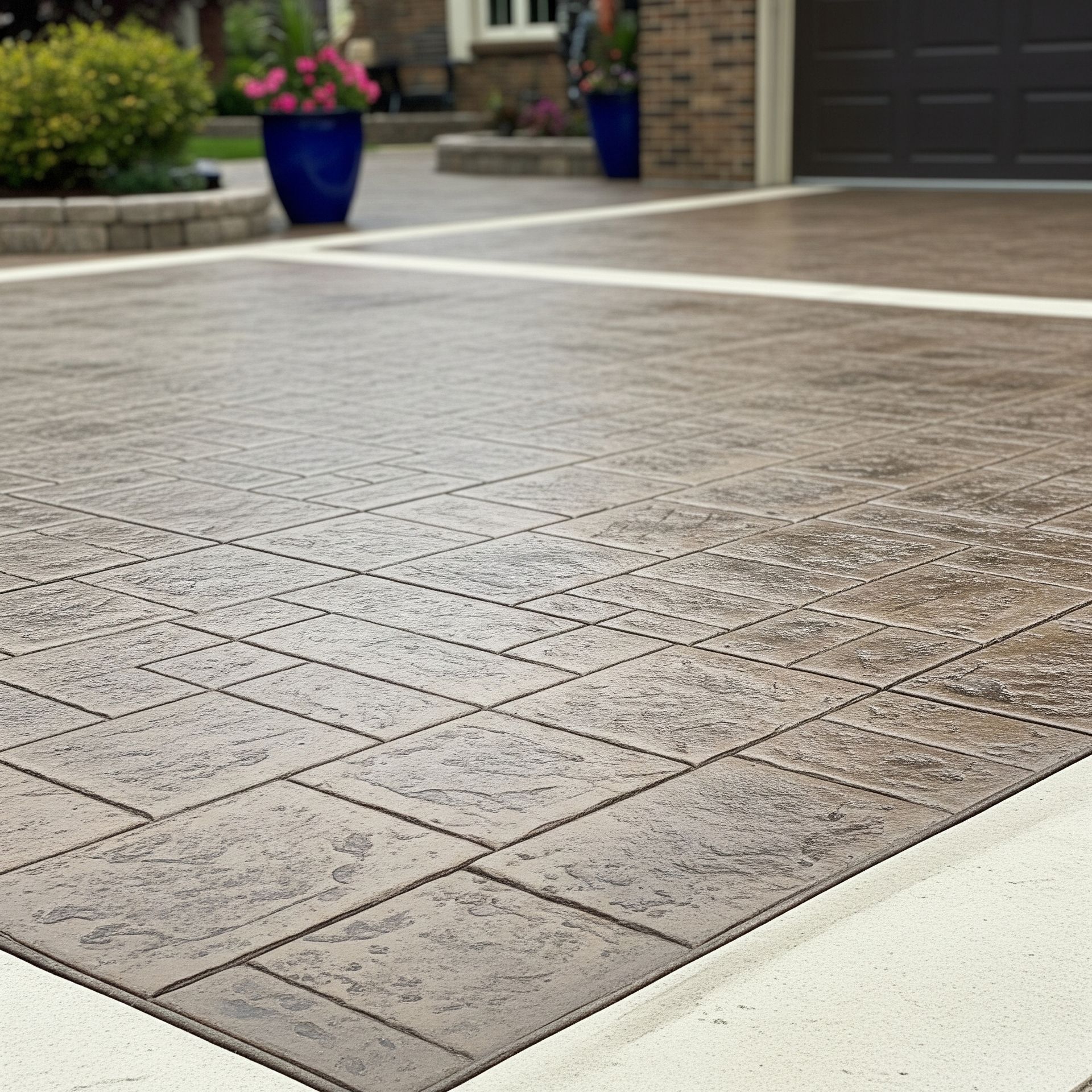
Stamped concrete is created by pouring fresh concrete and pressing patterned molds into the surface before it fully sets. The molds can imitate natural materials like stone, slate, brick, or even wood planks.
Benefits of Stamped Concrete
- Aesthetic Variety: You can replicate the look of expensive materials without the high cost.
- Customization: Patterns, textures, and even accent borders can be added to fit your home’s style.
- Durability: Like traditional concrete, stamped concrete is strong and long-lasting when properly installed.
Installation Tips
- Timing is key: stamps must be applied while the concrete is still wet.
- Use high-quality molds for realistic textures.
- Seal the surface to protect against wear, weather, and fading.
Understanding Colored Concrete Driveways
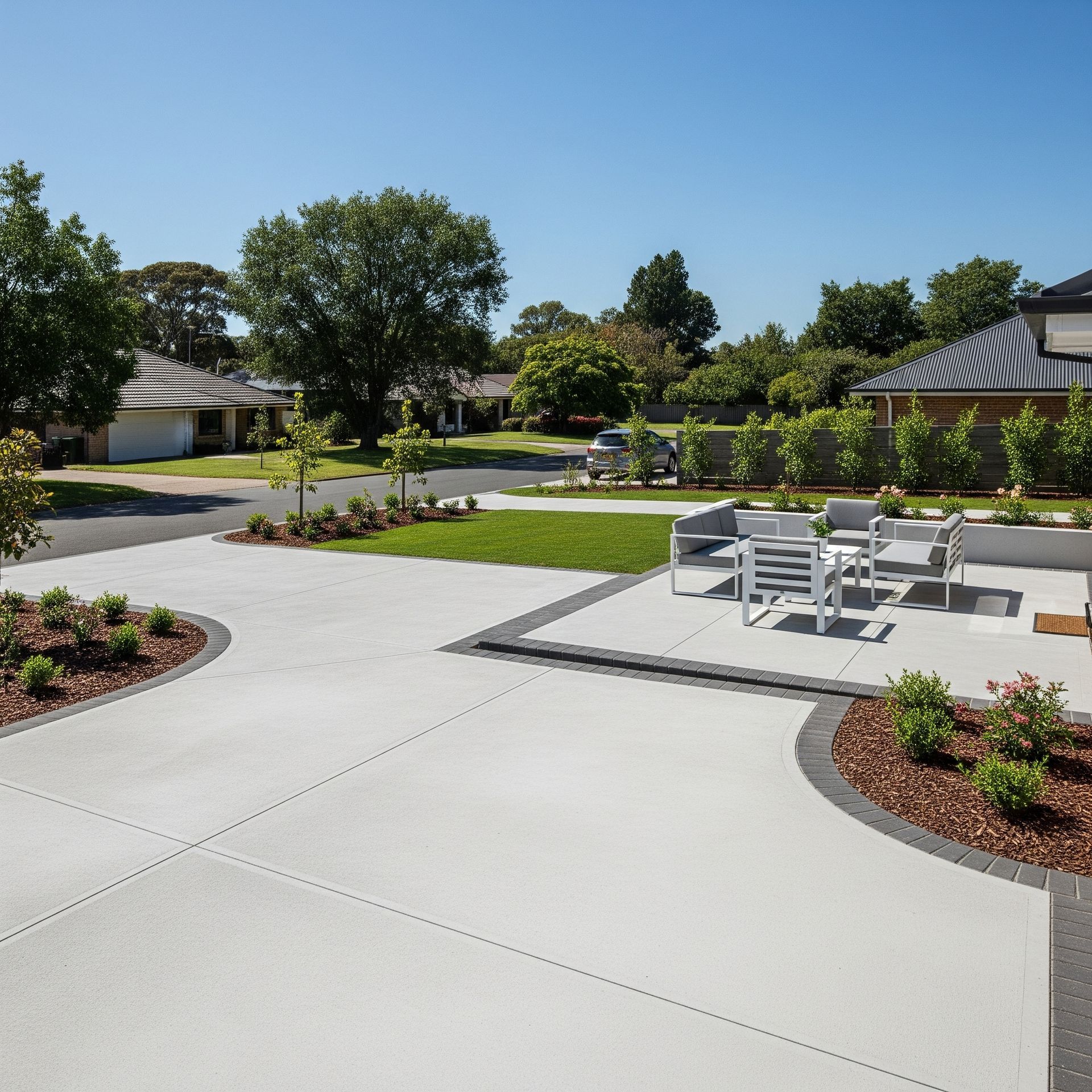
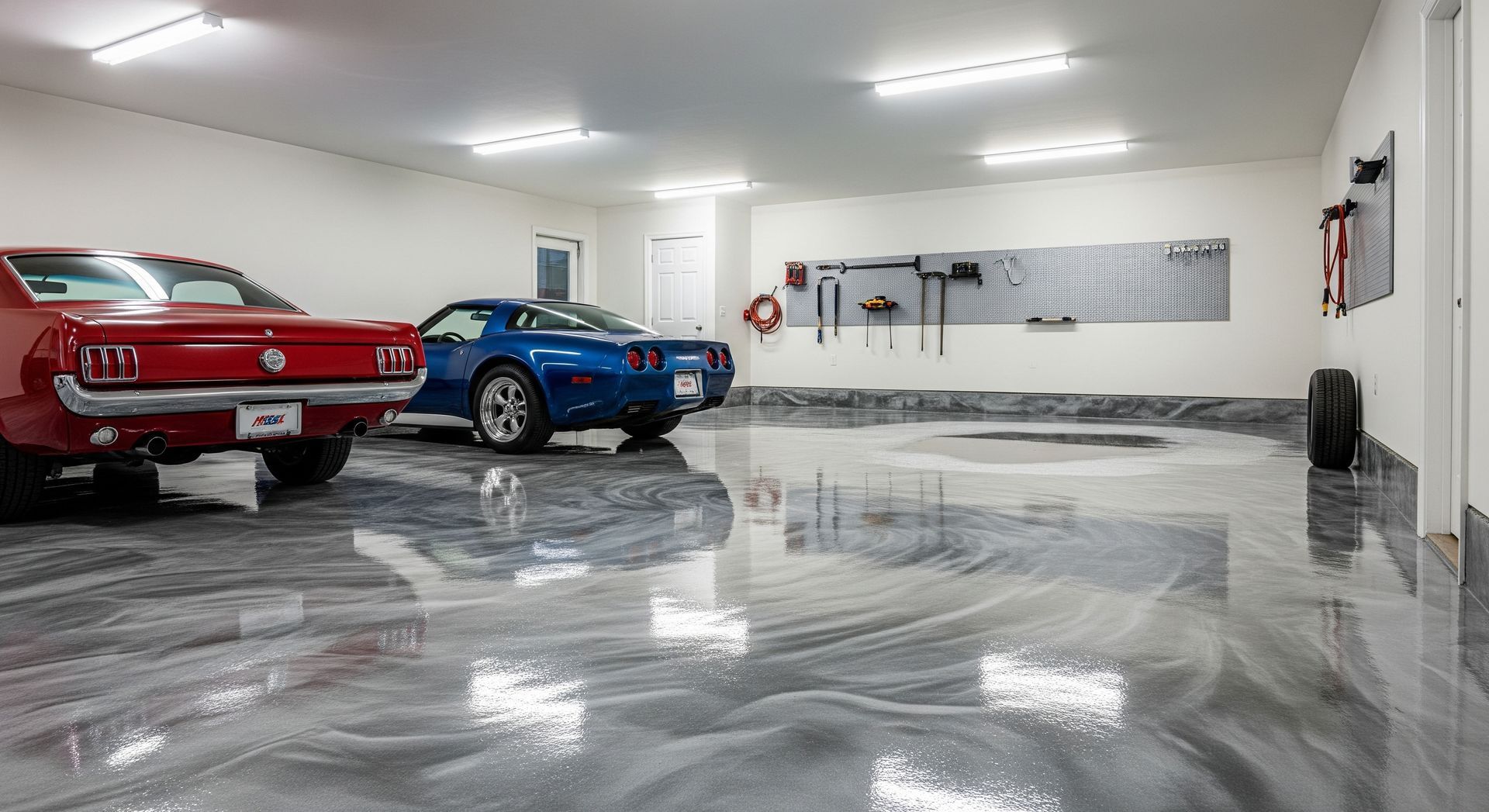
Colored concrete involves adding pigments or dyes directly into the concrete mix or applying them as a surface stain after the pour. This method allows you to create a variety of colors and visual effects, from subtle tones to striking, modern hues.
Benefits of Colored Concrete
- Endless Color Options: Choose a color palette that complements your home’s exterior.
- Uniform Appearance: Offers a consistent look across the entire driveway.
- Durable and Low Maintenance: Like traditional concrete, colored concrete is long-lasting and only requires occasional sealing.
Installation Tips
- Choose a color that works with your climate; darker colors may absorb more heat.
- Seal colored concrete to protect against fading, water, and stains.
- Consider combining colors or adding borders to enhance visual interest.
Comparing Stamped and Colored Concrete
While both options provide customization, the choice depends on your aesthetic goals and maintenance preferences.
| Feature | Stamped Concrete | Colored Concrete |
|---|---|---|
| Visual Appeal | Textured, patterned look | Smooth, uniform color |
| Cost | Higher due to labor-intensive installation | Usually lower, depends on pigment and technique |
| Maintenance | Requires resealing for texture preservation | Requires sealing to prevent fading |
| Style Flexibility | Replicates natural materials | Endless color options |
| Durability | High, with proper sealing | High, with proper sealing |
Creative Ideas for Every Home
For Traditional Homes
- Stamped brick or cobblestone patterns create a classic, welcoming entrance.
- Earth-toned colored concrete complements warm brick or siding colors.
For Modern Homes
- Large-format slate patterns in stamped concrete offer clean lines and contemporary appeal.
- Gray, charcoal, or even bold accent colors in colored concrete enhance a modern aesthetic.
For Rustic or Country Homes
- Wood plank stamped concrete gives a natural, earthy feel without the maintenance of real wood.
- Warm browns and reds in colored concrete harmonize with natural landscapes.
Combining Techniques
- Some homeowners combine stamped and colored concrete for a highly customized look. For example, a slate stamp with subtle earth-toned color variation can mimic natural stone almost perfectly.
Maintenance and Longevity
Both stamped and colored concrete require proper care to maximize their lifespan and preserve appearance:
General Maintenance Tips
- Seal Every 2-3 Years: Protect against stains, water damage, and fading.
- Clean Regularly: Remove dirt and debris to prevent surface scratches.
- Avoid Harsh Chemicals: Use gentle cleaners designed for concrete surfaces.
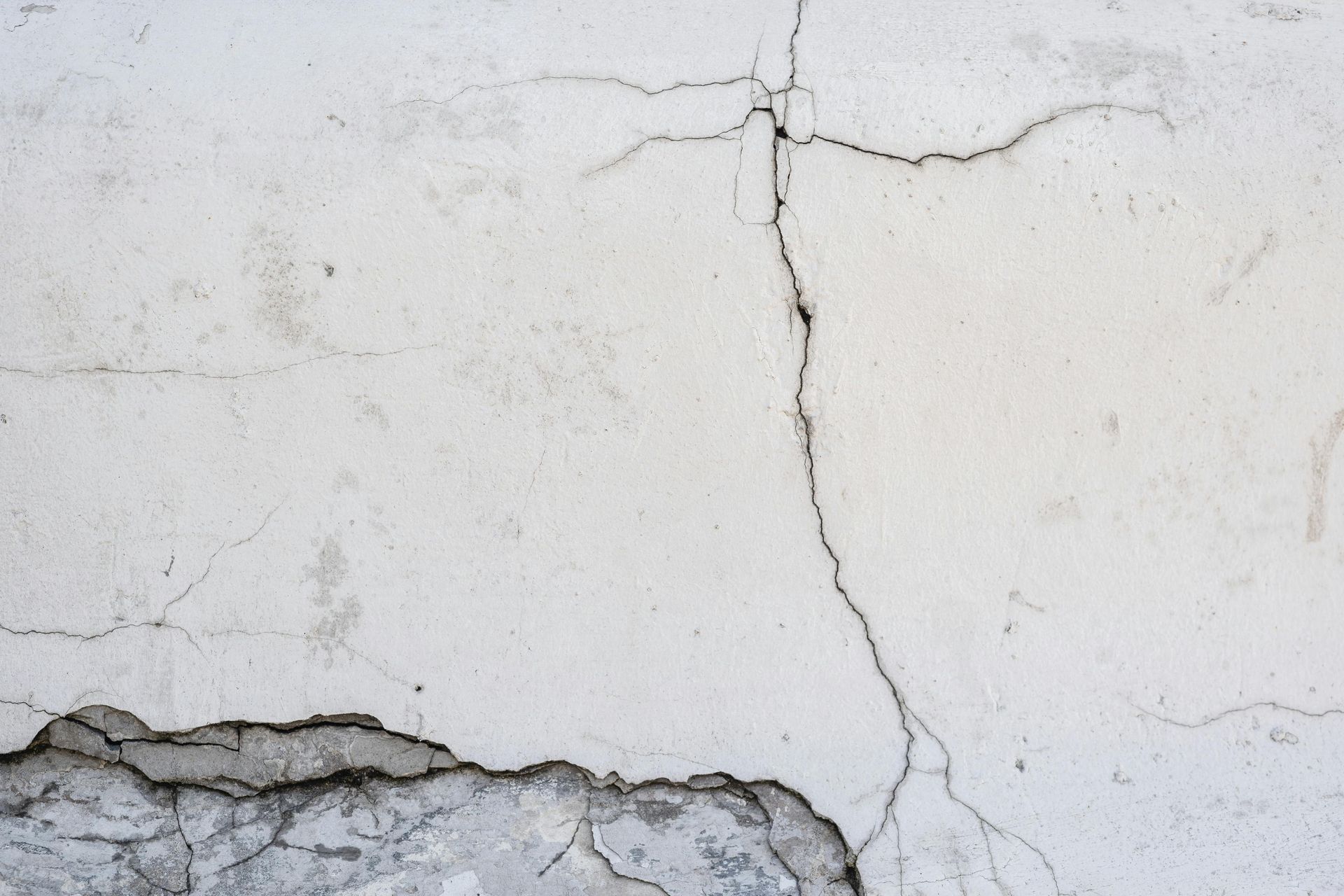
- Repair Cracks Promptly: Small cracks can be repaired with concrete filler before they worsen.
Pros and Cons of Stamped vs Colored Concrete
Choosing between stamped and colored concrete requires understanding the strengths and limitations of each option. Both can elevate your driveway, but the best choice depends on your aesthetic goals, maintenance preferences, and budget. Here’s a detailed breakdown:
Stamped Concrete
Pros:
- High Visual Impact
Stamped concrete can replicate expensive materials such as natural stone, brick, or wood. This allows homeowners to achieve a premium look without the high costs associated with real stone or timber. The variety of patterns and textures makes it possible to match virtually any architectural style, from traditional to modern. - Customizable Patterns
Stamps can be arranged in various patterns and designs, giving you flexibility in creating unique layouts. Borders, accent designs, and inlays can be added to create a driveway that feels personalized and cohesive with your home’s exterior. - Durable and Long-Lasting
Like traditional concrete, stamped surfaces are strong and can withstand heavy vehicles, foot traffic, and weather changes. When sealed and maintained properly, stamped concrete can last 25 years or more. - Cost-Effective Alternative to Natural Materials
Stamped concrete can mimic natural stone or brick at a fraction of the price, making it an attractive choice for homeowners who want a high-end look without exceeding their budget.
Cons:
- Higher Installation Costs
Stamped concrete installation requires more labor and skill than plain concrete, which can make it more expensive upfront. Proper stamping requires precise timing while the concrete is still wet. - Maintenance Requirements
To preserve the texture and prevent fading, stamped concrete requires sealing every 2–3 years. Failing to seal can lead to color loss, surface wear, and damage from freeze-thaw cycles in colder climates. - Potential Slipperiness
Some textured stamped surfaces may be slippery when wet. Adding a non-slip additive during sealing or choosing textured patterns can mitigate this issue. - Risk of Cracking
While all concrete can crack, stamped surfaces may highlight imperfections if cracks occur. Using expansion joints and proper installation techniques can minimize this risk.
Colored Concrete
Pros:
- Wide Range of Color Options
Colored concrete allows you to choose from a broad spectrum of shades, from neutral earth tones to bold, modern hues. Integral pigments or surface stains provide consistent color and a customizable look to match your home’s style. - Uniform Appearance
Unlike stamped concrete, colored concrete provides a smooth, consistent surface that can look sleek and modern. Acid stains can also create natural variations for added depth. - Durable and Low Maintenance
Like stamped concrete, colored concrete is strong and long-lasting. Occasional resealing helps maintain color vibrancy, but it generally requires less maintenance than stamped patterns. - Versatility for Various Styles
Colored concrete works well for a wide variety of home aesthetics, from contemporary gray tones to warm, rustic shades. You can also combine borders or subtle color accents to enhance design.
Cons:
- Limited Texture Options
While color adds visual appeal, colored concrete is usually smooth and lacks the textured, three-dimensional look of stamped concrete. If you want the appearance of stone or brick, color alone may not suffice. - Potential Fading Over Time
Without proper sealing, colored concrete can fade from sun exposure or harsh weather. UV-resistant sealers can minimize this, but some gradual color change may still occur. - Surface Imperfections May Be Visible
Smooth colored concrete can highlight small surface imperfections or cracks. Proper preparation and finishing are key to achieving a flawless look. - Less “Premium Look” Without Combination Techniques
While colored concrete is beautiful on its own, it may not fully replicate the high-end natural textures achieved with stamped concrete. Combining stamping and coloring can provide the best of both worlds.
Making the Choice
Ultimately, the decision between stamped and colored concrete depends on your priorities:
- Choose
stamped concrete
if you want intricate textures, a natural stone or brick appearance, and high visual impact.
- Choose
colored concrete
if you prefer a clean, uniform look with versatile color options and slightly lower maintenance.
- Consider combining stamping and coloring for a driveway that offers both texture and customized color, creating a truly unique and elegant design.
Frequently Asked Questions
Can stamped concrete be colored?
Yes, stamped concrete can be colored by adding integral pigments or surface stains to enhance the pattern and achieve a more natural look.
How long does a stamped or colored concrete driveway last?
With proper installation and regular maintenance, both stamped and colored concrete driveways can last 25 to 30 years.
Is one option better for snowy climates?
Both are suitable, but ensure a non-slip sealant is applied for safety. Deicing salts should be used cautiously to avoid surface damage.
Can I install stamped or colored concrete myself?
While possible, professional installation is recommended for best results, especially for complex patterns or large driveways.
How do I prevent fading in colored concrete?
Use high-quality pigments, apply a UV-resistant sealer, and avoid harsh chemicals to maintain vibrant colors.
Choosing between stamped and colored concrete driveways ultimately depends on your home’s style, your budget, and the level of customization you want. Stamped concrete offers texture and pattern that can mimic natural materials, while colored concrete provides a wide range of uniform or vibrant colors.
Both options are durable, long-lasting, and versatile, making them excellent investments in curb appeal and property value. Proper installation, sealing, and maintenance will ensure your driveway looks beautiful for years to come.
Reach out to our team of professionals today to explore stamped and colored concrete options that fit your home’s style and budget
Reference:
https://premix.com.au/creative-decorative-concrete-driveway-ideas-for-your-homes/
Share this article