When Your Pavement Needs Help: Signs You Need Concrete Repair and Resurfacing
Concrete pavements are a durable and cost‑effective choice for commercial properties. Parking lots, walkways, loading zones, and driveways endure heavy traffic, harsh weather, and daily wear. Over time, even the strongest concrete can develop cracks, surface wear, and structural problems. Ignoring these signs can lead to costly repairs, safety hazards, and a less appealing property.
Concrete repair and resurfacing are effective ways to restore your pavement's functionality and appearance without replacing the entire surface. However, it is important to know when intervention is needed. Understanding the warning signs allows property managers, business owners, and facility teams to act promptly and hire experienced commercial concrete contractors for long‑lasting results.
Timely maintenance not only addresses existing damage but also prevents small issues from escalating into full replacement projects. For example, minor cracks may start as cosmetic concerns, but if water penetrates and freezes, it can expand and compromise the concrete’s integrity. Resurfacing and repair are proactive solutions that protect both safety and property value.
This article explores the most common signs that your pavement may require repair or resurfacing. It also covers the benefits of timely maintenance, preventive steps, and what to expect when working with professional contractors.
Key Takeaways
- Cracks, spalling, and surface wear are common indicators that your concrete needs attention.
- Timely repair and resurfacing prevent more extensive damage and higher costs.
- Concrete repair extends the lifespan of commercial pavements and protects safety.
- Professional commercial contractors can accurately assess damage and recommend solutions.
- Neglecting pavement issues may lead to liability risks and decreased property value.
- Regular inspections and preventive maintenance reduce the frequency of major repairs.
Why Pavement Maintenance Matters
Maintaining commercial concrete pavement is not just about aesthetics. Damaged or worn surfaces create operational challenges, safety risks, and liability concerns. Over time, untreated issues may escalate into significant structural damage that requires full replacement—a costly and disruptive process.
Some benefits of proactive pavement maintenance include:
- Preserving smooth, safe surfaces for vehicles and pedestrians
- Extending the life of the concrete and reducing long-term costs
- Enhancing curb appeal and professional appearance of your property
- Minimizing liability by preventing trips, slips, and accidents
- Allowing better drainage and avoiding water-related structural issues
Investing in repair and resurfacing ensures your pavement performs optimally for years and reduces unexpected expenditures.
Additionally, timely maintenance reduces downtime for commercial operations. For example, a resurfacing project can often be completed faster than a full replacement, allowing parking lots and loading zones to return to service with minimal disruption to business operations. This efficiency is especially important for retail properties, warehouses, and industrial facilities that rely on continuous access.
Common Signs You Need Concrete Repair and Resurfacing
Recognizing the warning signs of pavement deterioration can prevent minor issues from becoming major problems. Here are the most common indicators:
1. Visible Cracks
Cracks in concrete are perhaps the most obvious sign that repair is necessary. Cracks can form for several reasons:
- Heavy traffic and load stress
- Freeze-thaw cycles in colder climates
- Settling or soil movement beneath the pavement
- Shrinkage of concrete during curing
While small hairline cracks may not pose immediate risk, larger or widening cracks indicate underlying problems. Cracks that allow water to seep in can worsen over time, causing erosion and structural instability.
Even superficial cracks can accelerate surface wear if left untreated. For commercial properties, cracks can lead to water infiltration beneath the pavement, weakening the base layers and potentially creating uneven surfaces. Addressing cracks early is a cost-effective way to maintain pavement performance.
2. Spalling or Flaking
Spalling occurs when the surface of the concrete chips, flakes, or peels away. This often results from:
- Freeze-thaw cycles
- Corrosion of embedded steel reinforcement
- Chemical exposure or de-icing salts
Spalling affects both the appearance and functionality of the pavement. Left untreated, it can expand and compromise the concrete’s structural integrity. In parking lots, spalling can also make surfaces rough, leading to tire wear or tripping hazards for pedestrians. Resurfacing over spalled areas restores smoothness and protects the underlying concrete from further deterioration.
3. Uneven or Settling Surfaces
If sections of the pavement are lower or higher than adjacent areas, it may indicate settlement or soil erosion beneath the concrete.
Common signs include:
- Puddling water after rain
- Trip hazards for pedestrians
- Difficulty maneuvering vehicles
Uneven surfaces not only present safety risks but also affect drainage. Poor drainage can exacerbate cracks and erosion. Professional contractors can assess the cause and recommend leveling, partial replacement, or full resurfacing depending on the extent of settling.
4. Surface Discoloration or Staining
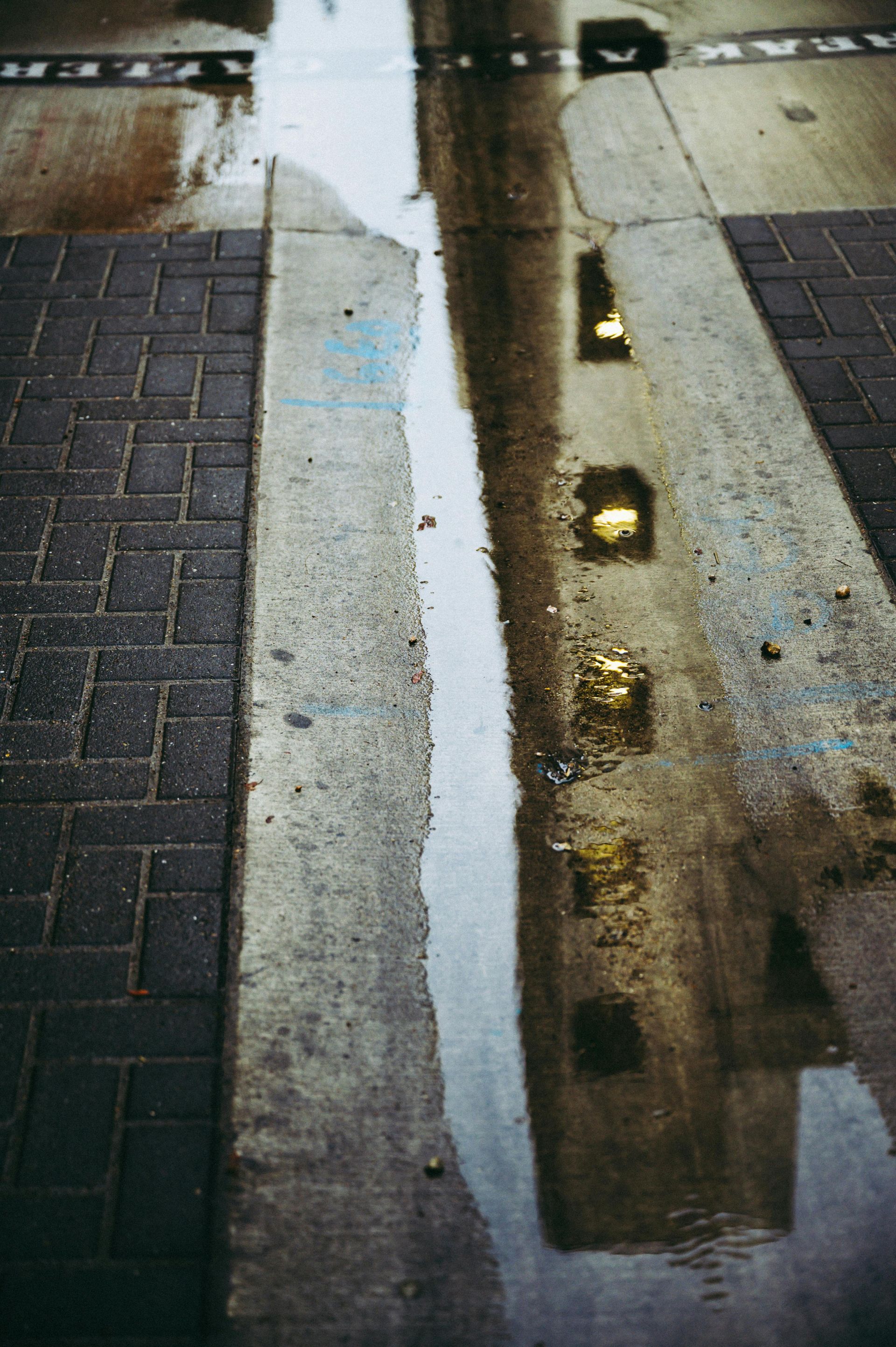
Over time, concrete may develop patches of discoloration or dark stains. While some staining is cosmetic, persistent or widespread discoloration can indicate moisture intrusion, chemical exposure, or surface wear. Professional contractors can assess whether the discoloration signals more serious structural issues.
Staining may also point to exposure to oil, chemicals, or rust. In commercial environments such as gas stations, delivery areas, or industrial facilities, chemical spills can weaken the concrete over time. Timely resurfacing helps protect the surface and restore an even, professional appearance.
5. Potholes or Deep Cracks
Potholes form when water penetrates cracks, freezes, and expands, breaking the concrete apart. They are more than an inconvenience; they can:
- Damage vehicle tires and suspensions
- Create trip hazards
- Accelerate the deterioration of the surrounding pavement
Deep cracks or potholes often require professional repair to restore the integrity of the pavement.
Contractors may remove damaged sections, pour new concrete, and match surface textures to create a seamless repair. Regular inspection helps catch these issues before they expand.
6. Exposed Aggregate or Surface Erosion
When the top layer of concrete wears away, aggregate (small stones embedded in the concrete) may become visible. This erosion is caused by:
- Heavy foot or vehicle traffic
- Environmental factors like rain and wind
- Poor initial finishing or insufficient curing
Exposed aggregate surfaces are rough, less visually appealing, and more prone to further deterioration. Resurfacing not only improves aesthetics but also creates a smooth, durable surface that withstands ongoing traffic.
7. Water Pooling or Poor Drainage
Standing water on concrete surfaces is a sign of uneven pavement or erosion beneath the concrete. Poor drainage can:
- Accelerate surface cracking
- Increase freeze-thaw damage in colder climates
- Encourage moss or algae growth, creating slip hazards
Contractors can correct slope issues and repair areas where water collects, restoring proper drainage and preventing future damage.
8. Rust Stains or Corrosion
Rust stains often indicate corrosion of embedded steel reinforcement. This can weaken the concrete from within, compromising structural integrity. Early detection allows contractors to address reinforcement issues before major cracks or spalling occur.
Table: Common Concrete Issues and Recommended Repairs
| Project Type | Typical Cost Range | Key Factors |
|---|---|---|
| Minor Crack Repair | $2-8 per linear foot | Crack size, accessibility, material type |
| Surface Resurfacing | $3-7 per square foot | Surface area, overlay thickness, decorative options |
| Complete Replacement | $8-15 per square foot | Excavation needs, base preparation, concrete thickness |
Benefits of Concrete Repair and Resurfacing
Repairing and resurfacing concrete offers several advantages for commercial properties.
Extends Pavement Life
Properly repaired concrete lasts longer than untreated pavement. Resurfacing strengthens the surface and protects underlying concrete from additional wear, delaying the need for complete replacement.
Enhances Safety
Cracks, potholes, and uneven areas are trip hazards and potential liability concerns. Repair and resurfacing create a smooth, stable surface, reducing the risk of accidents.
Improves Appearance
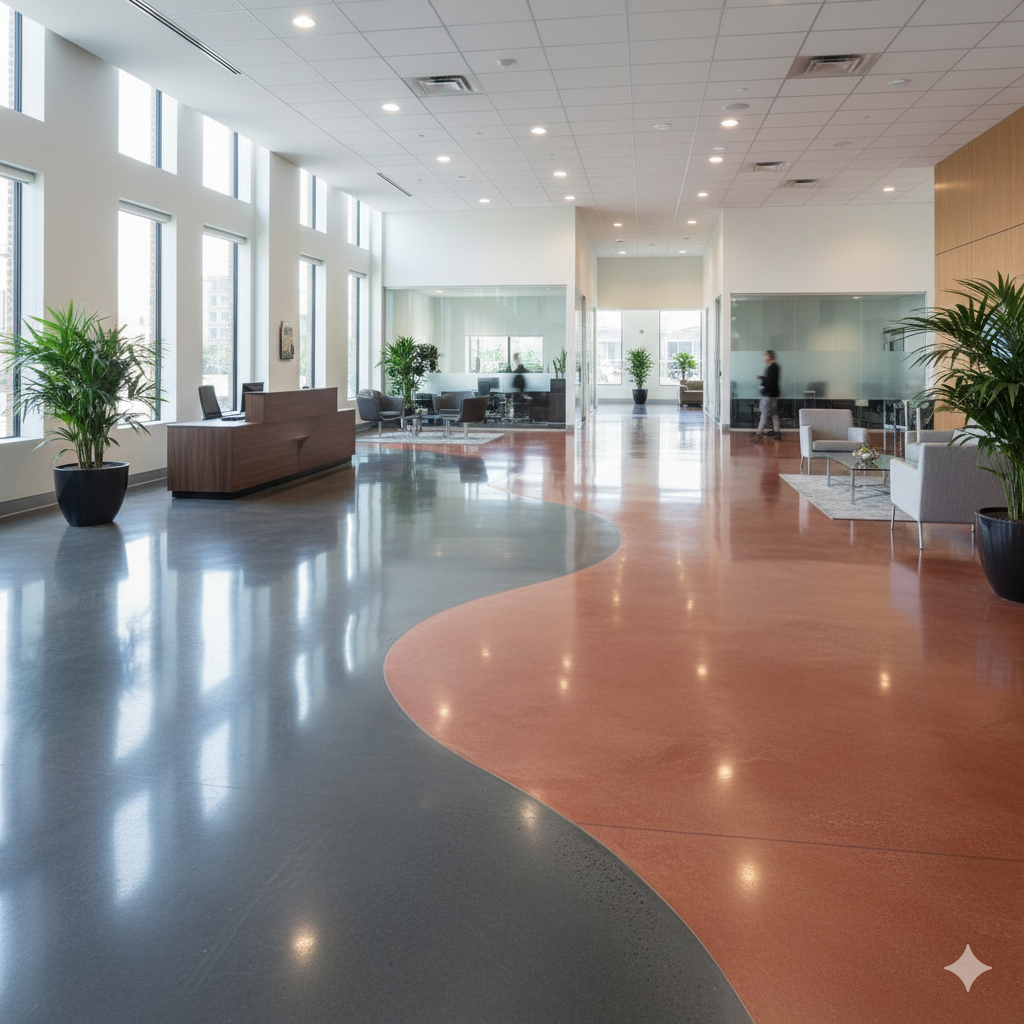
Resurfacing can restore a uniform color and texture, enhancing curb appeal and maintaining a professional image for your business.
Cost Efficiency
Repair and resurfacing are often less expensive than full replacement. Timely maintenance prevents minor damage from escalating into costly structural repairs.
Supports Sustainable Practices
Repairing existing concrete reduces waste compared to full removal and replacement. It conserves resources and lowers the environmental impact of construction.
Minimizes Business Disruption
Unlike full replacement, resurfacing and localized repairs can be completed more quickly, reducing downtime for parking lots, driveways, or loading areas.
When to Call a Commercial Concrete Contractor
Knowing when to call a professional ensures your pavement is repaired correctly and safely. Consider reaching out to a licensed contractor if you notice:
- Cracks wider than a quarter inch
- Spalling or flaking surfaces
- Uneven pavement causing water pooling
- Potholes or exposed aggregate
- Signs of water damage, erosion, or structural instability
Commercial contractors have the equipment, experience, and expertise to evaluate your pavement, recommend the right solution, and execute repairs efficiently. They can perform:
- Crack filling and joint repair
- Surface patching and leveling
- Complete or partial resurfacing
- Sealing to protect from future wear and moisture
A professional assessment ensures the pavement is safe, functional, and visually appealing.
Preventive Tips to Extend Pavement Life
Even durable concrete benefits from routine maintenance. Homeowners and business managers can take preventive steps to protect their surfaces.
- Schedule regular inspections to detect early signs of damage
- Seal cracks promptly to prevent water infiltration
- Apply concrete sealers every few years to protect against chemicals and moisture
- Ensure proper drainage to avoid water pooling
- Avoid heavy vehicle loads on surfaces not designed for them
- Remove snow, ice, or debris promptly to prevent surface stress
Preventive care reduces repair frequency, extends pavement life, and maintains a safe environment.
Frequently Asked Questions
How long does concrete driveway resurfacing typically last?
Properly installed concrete resurfacing typically lasts 10-20 years, depending on climate conditions, traffic load, and maintenance quality. Regular sealing and prompt repair of minor issues can extend this lifespan significantly.
What is the best time of year to refinish concrete driveway surfaces?
Spring and fall provide optimal conditions for concrete work with moderate temperatures and stable weather patterns. Avoid extreme heat, freezing temperatures, or rainy periods that can compromise curing and final results.
Can I drive on my driveway immediately after resurfacing?
Most concrete resurfacing requires 24-48 hours before light foot traffic and 7 days before vehicle use. Full-strength development takes 28 days, though normal use can typically resume much earlier with proper curing.
How much does professional concrete driveway repair cost compared to DIY?
Professional installation typically costs 2-3 times more than DIY materials but includes expertise, equipment, and warranty coverage. DIY projects require tool rental, learning curve time, and carry a higher risk of mistakes requiring expensive corrections.
What causes concrete driveways to crack and deteriorate over time?
Common causes include freeze-thaw cycles, ground settling, heavy vehicle loads, poor drainage, and natural concrete shrinkage. Understanding these factors helps with prevention strategies and appropriate repair timing.
Concrete pavements are a critical component of any commercial property. Recognizing early warning signs such as cracks, spalling, uneven surfaces, and potholes allows property owners to act before minor problems become major, costly issues. Repair and resurfacing restore functionality, enhance appearance, and extend the lifespan of concrete surfaces.
By scheduling inspections and working with experienced commercial concrete contractors, business owners ensure safe, durable, and visually appealing pavements. Preventive maintenance and timely intervention protect investments and support a professional property image. Acting early not only saves money but also minimizes operational disruptions and reduces liability risks.
If your pavement shows signs of wear or damage, do not wait. Give our office a call for professional assessment, expert repair, and resurfacing solutions
Reference:
https://aafconcrete.com/signs-your-concrete-needs-repair/
Share this article