Concrete Repair and Resurfacing Trends for 2025: What Commercial Clients Should Know
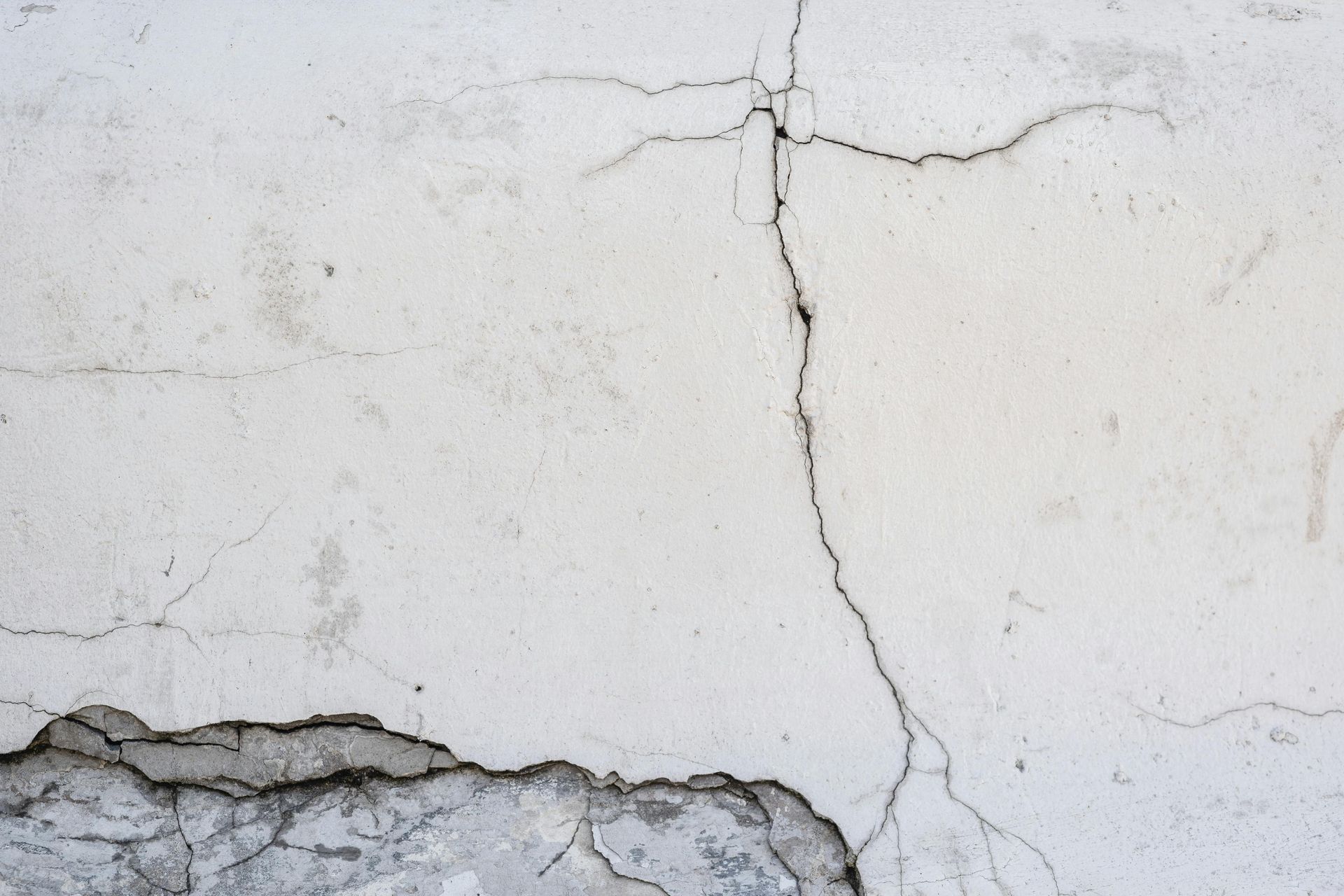
Concrete continues to be the backbone of commercial infrastructure, providing durable surfaces for parking lots, sidewalks, driveways, loading zones, and industrial facilities. Over time, heavy traffic, weather exposure, and general wear and tear can cause cracks, spalling, and surface deterioration. Repair and resurfacing are critical for maintaining functionality, safety, and aesthetics.
As 2025 approaches, commercial clients must be aware of emerging trends in concrete repair and resurfacing. Advancements in materials, techniques, and technology are improving efficiency, durability, and sustainability. By understanding these trends, business owners and facility managers can make informed decisions, extend the life of their pavements, and optimize budgets.
Concrete repair and resurfacing are no longer just reactive measures. They now involve strategic planning, preventive maintenance, and aesthetic considerations. For instance, properties with high pedestrian traffic may benefit from slip-resistant decorative overlays, while industrial sites may prioritize rapid-setting, high-performance materials to minimize downtime. Understanding these trends ensures commercial clients receive the best combination of safety, durability, and appearance for their investment.
This article explores the top trends in concrete repair and resurfacing for 2025, highlights best practices, and helps commercial clients plan for maintenance and upgrades effectively.
Key Takeaways
- New materials and overlays increase concrete durability and lifespan.
- Sustainable and eco-friendly solutions are becoming standard in commercial projects.
- Technological advancements streamline inspections, repair planning, and preventive maintenance.
- Proactive maintenance reduces long-term costs and prevents structural damage.
- Decorative and functional resurfacing options improve aesthetics and safety.
- Working with experienced commercial contractors ensures high-quality, timely results.
Why Staying Informed Matters
Concrete repair and resurfacing are no longer limited to filling cracks or patching potholes. In 2025, commercial clients can leverage innovations that improve efficiency, minimize downtime, and extend pavement life. Staying informed about these trends helps property managers:
- Make cost-effective repair decisions
- Protect against liability and safety hazards
- Extend the functional lifespan of pavements
- Reduce operational downtime during repairs
- Incorporate sustainable practices to meet environmental standards
Proactive maintenance also preserves the aesthetic appeal of commercial properties. Well-maintained pavements not only reduce safety hazards but also enhance customer and tenant satisfaction, reflecting positively on the business.
Top Trends in Concrete Repair and Resurfacing for 2025
1. Advanced Concrete Overlays
Concrete overlays are thin layers of specialized material applied over existing surfaces to restore functionality and appearance. In 2025, high-performance overlays offer:
- Enhanced durability for heavy vehicle and foot traffic
- Resistance to chemical exposure and freeze-thaw cycles
- Quick curing times, reducing downtime for commercial operations
Examples include polymer-modified overlays and micro-toppings, which provide smooth, durable finishes. These materials allow property owners to extend the life of their existing pavement without the cost and disruption of full replacement.
2. Sustainable and Eco-Friendly Materials
Sustainability is increasingly important in commercial construction. Eco-friendly concrete solutions include:
- Recycled aggregates replacing natural stone
- Low-carbon cement alternatives
- Water-based sealers and coatings
Using sustainable materials reduces the environmental footprint of repair projects and can help businesses meet green building certifications. Additionally, these materials often offer performance benefits, such as increased durability and improved weather resistance.
3. Decorative and Functional Resurfacing
Beyond durability, commercial clients are prioritizing aesthetics and functionality. Popular trends include:
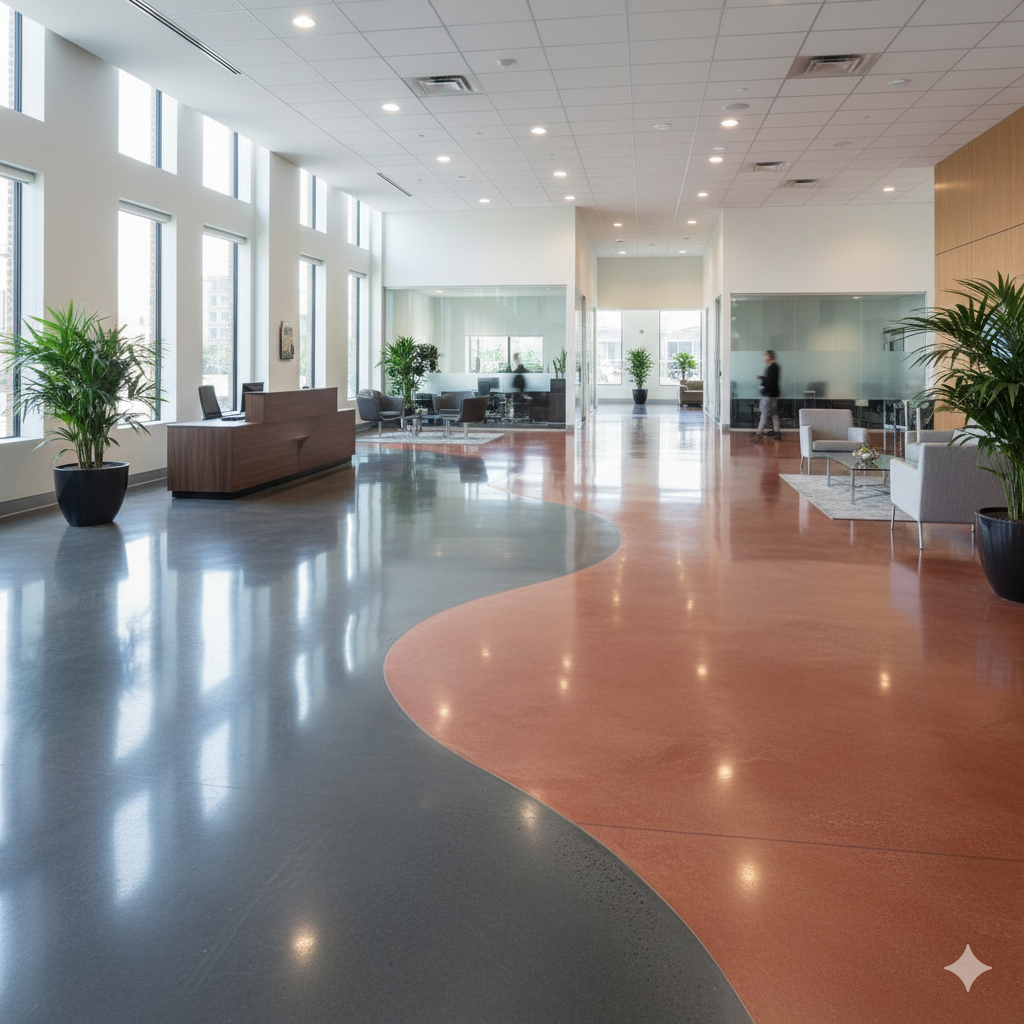
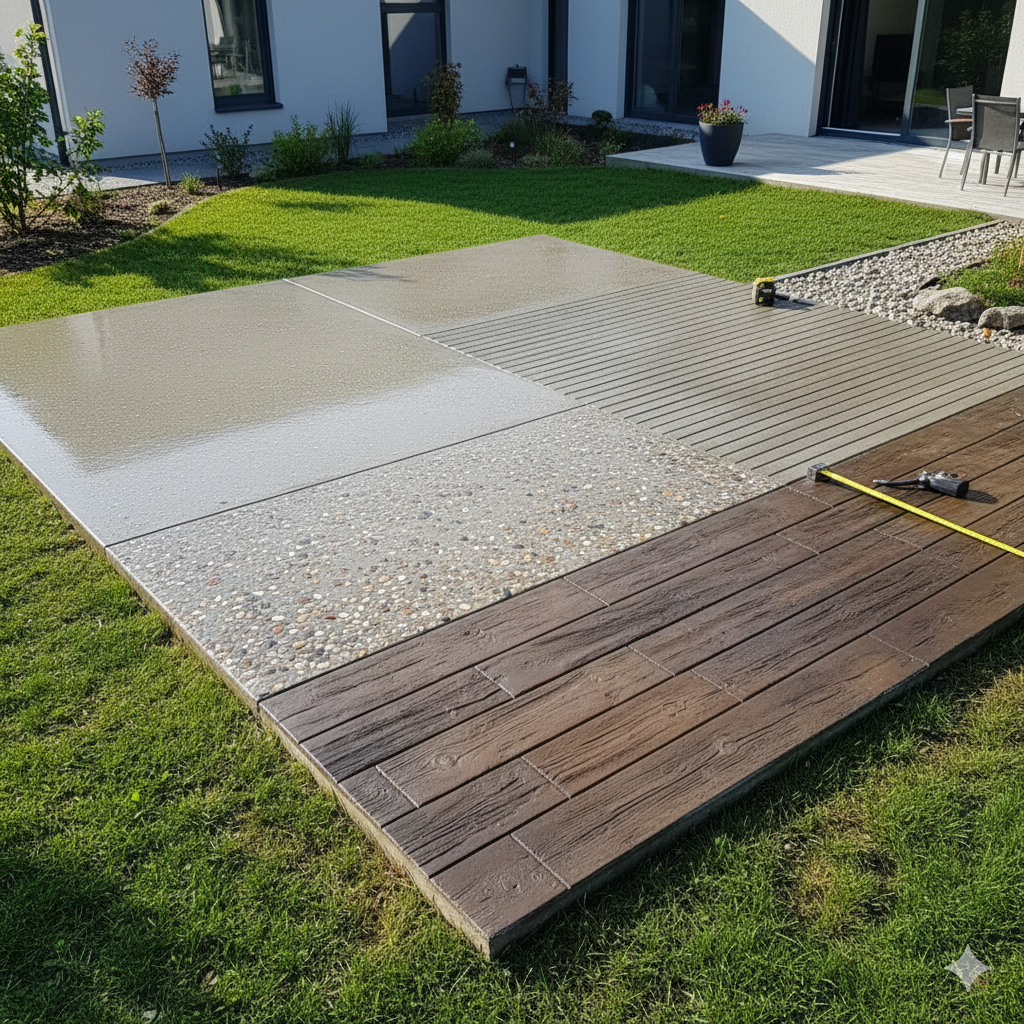
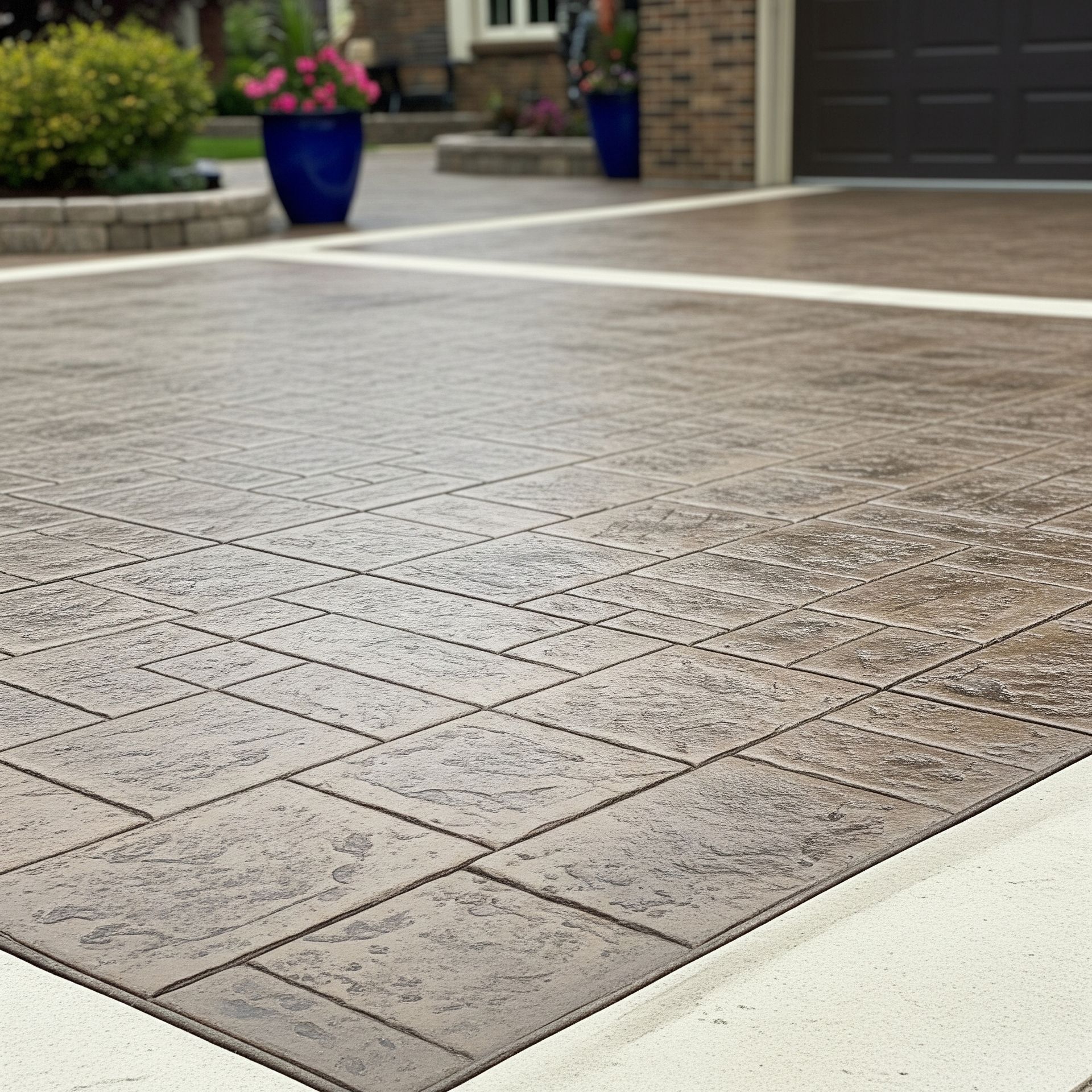
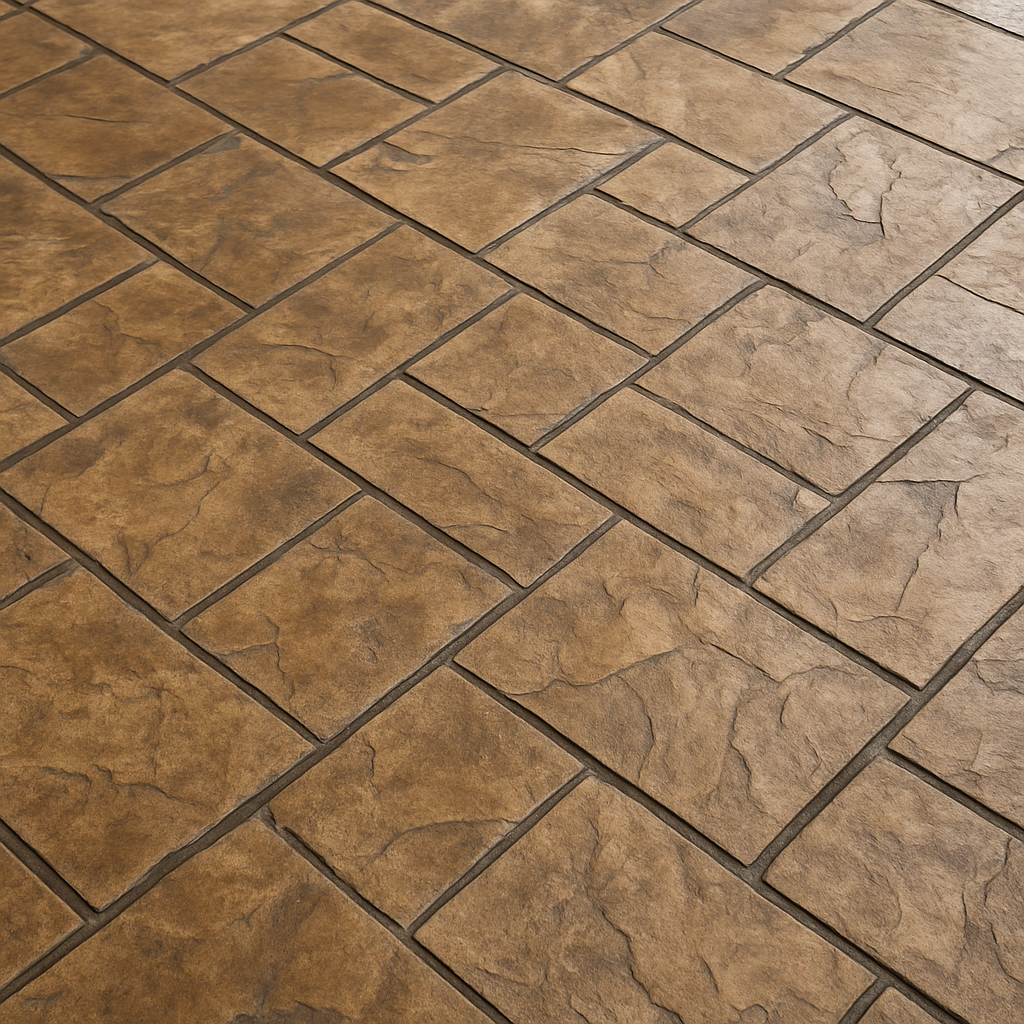
- Stamped or patterned overlays to enhance appearance
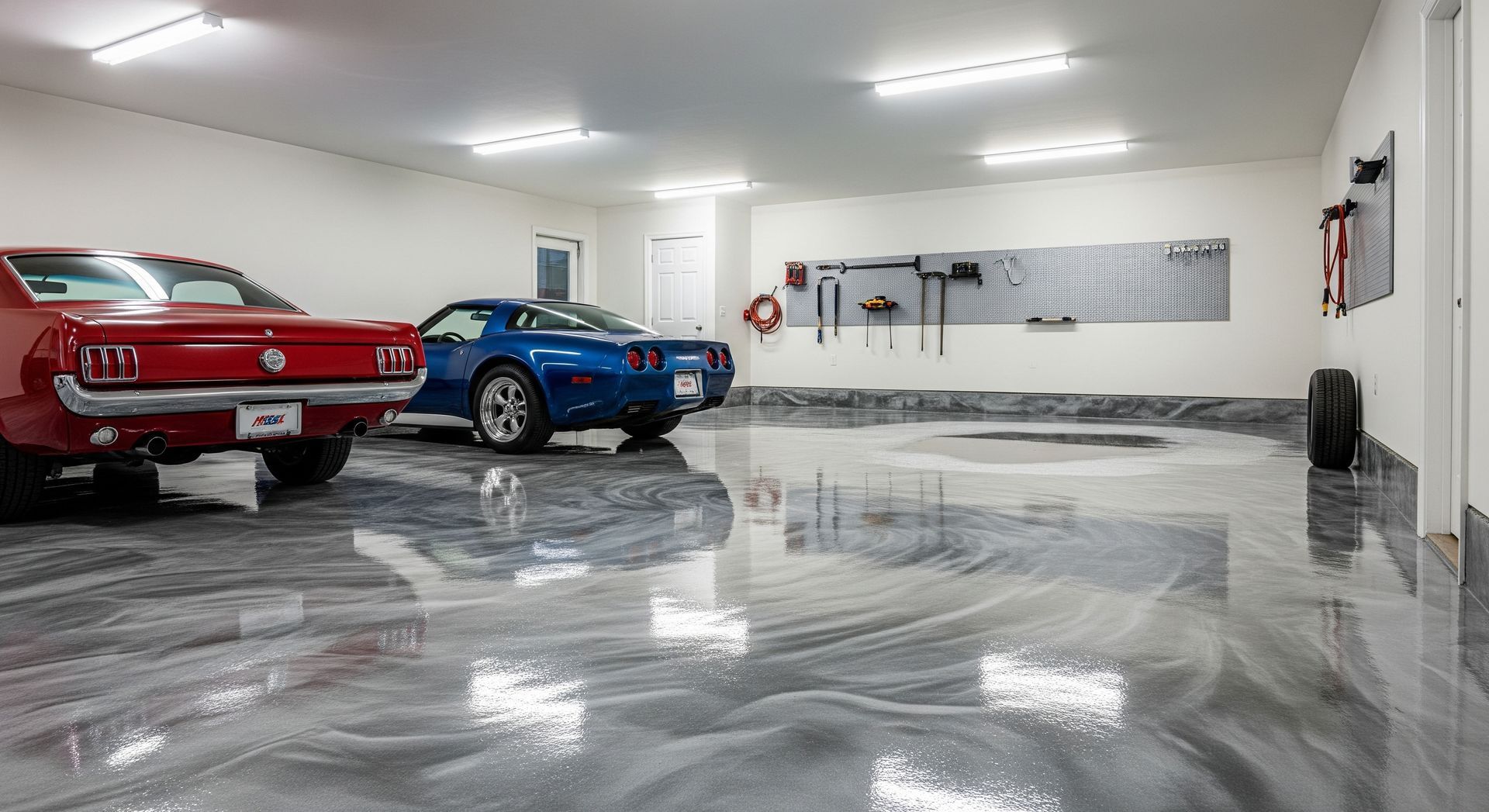
- Colored or stained finishes for branding or visual appeal
- Textured surfaces for improved slip resistance in pedestrian areas
- Protective coatings to prevent graffiti and chemical damage
These options allow commercial properties to maintain a professional, attractive appearance while meeting functional requirements.
4. Technology Integration
Technological advancements are changing the way concrete repair and resurfacing are planned and executed. Key innovations include:
- Drone inspections for large commercial properties
- Laser scanning to assess surface leveling and detect micro-cracks
- Digital mapping of wear patterns to prioritize repairs
- Predictive maintenance software to schedule timely interventions
Technology enables property managers and contractors to identify problem areas early, plan repairs more efficiently, and prevent costly damage. It also allows for precise application of overlays and resurfacing materials, ensuring even surfaces and long-lasting results.
5. Rapid-Setting and High-Performance Materials
Minimizing downtime is critical for commercial operations. Rapid-setting concrete repair materials provide:
- Fast curing, often within hours
- High strength and durability comparable to traditional concrete
- Resistance to abrasion, chemical exposure, and heavy loads
These products are ideal for high-traffic areas such as loading docks, parking lots, and sidewalks where minimizing disruption is essential.
6. Proactive Maintenance and Preventive Resurfacing
Preventive maintenance continues to be a key trend in 2025. Property managers are focusing on:
- Scheduled inspections using sensors or cameras
- Timely crack sealing and joint repair
- Routine cleaning and sealing of pavements
Proactive strategies reduce the frequency of major repairs, extend the life of the pavement, and maintain smooth, safe surfaces. They also allow commercial clients to budget repairs strategically rather than reacting to unexpected damage.
7. Multi-Functional Surfaces
Concrete pavements are increasingly designed to serve multiple functions. Trends include:
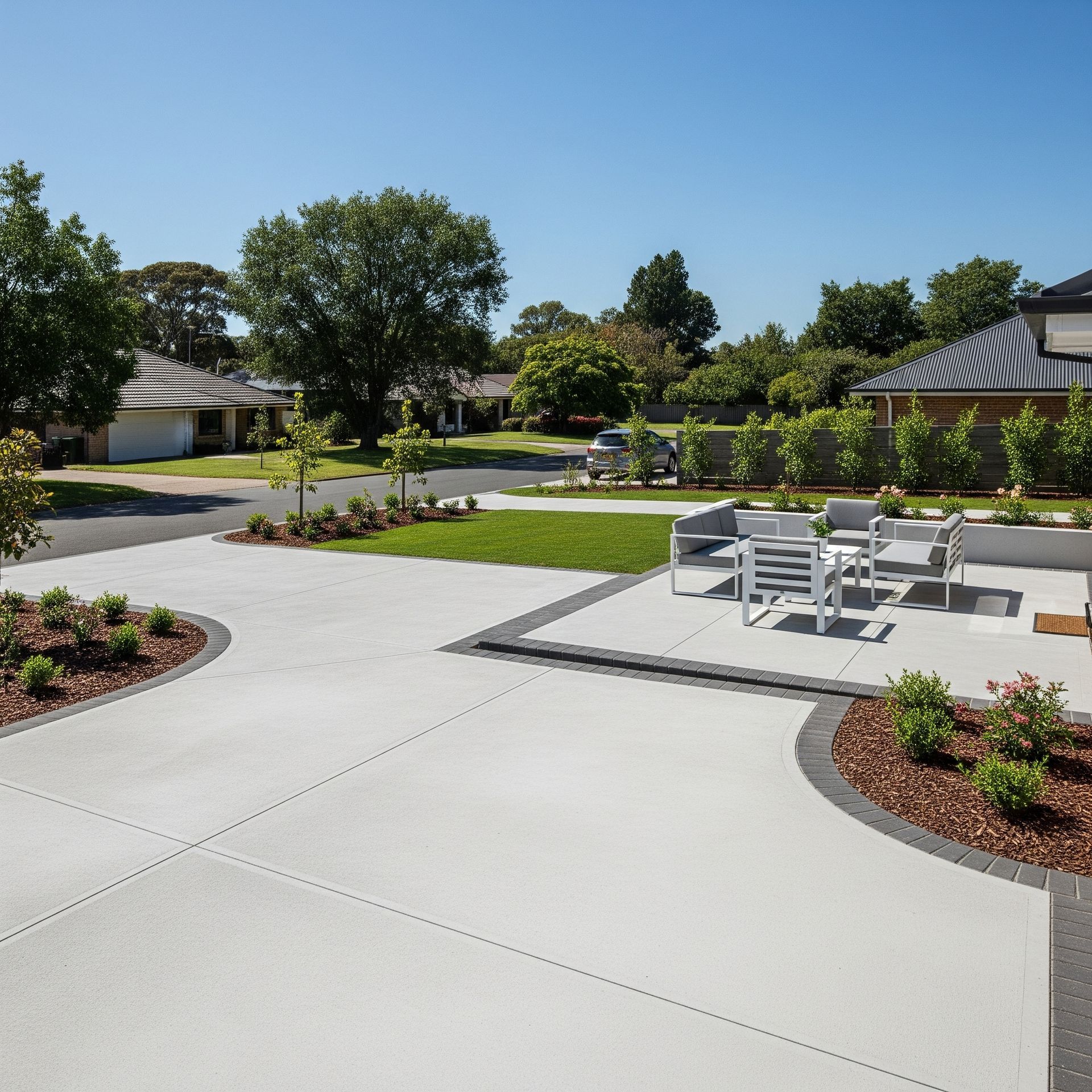
- Pedestrian-friendly designs integrated with landscaping
- Surfaces compatible with electric vehicle charging stations
- Pavements built to withstand heavy industrial equipment
Repair and resurfacing techniques now accommodate these requirements, ensuring both safety and durability for diverse commercial applications.
8. Integration of Smart Materials
Smart concrete materials are gaining traction in commercial settings. These include:
- Self-healing concrete that can fill small cracks automatically
- Sensors embedded within concrete to monitor stress, temperature, or moisture
- Reflective or light-colored overlays that reduce heat absorption and improve energy efficiency
These innovations allow property owners to monitor pavement conditions in real time and extend the lifespan of surfaces through early intervention.
Concrete Repair and Resurfacing Trends for 2025
| Trend | Benefits | Ideal Applications |
|---|---|---|
| Advanced Concrete Overlays | Quick installation, high durability | Parking lots, sidewalks, loading areas |
| Eco-Friendly Materials | Reduced environmental impact | Sustainable commercial properties |
| Decorative Resurfacing | Improved aesthetics, slip resistance | Walkways, pedestrian zones, retail spaces |
| Technology Integration | Precision repairs, predictive maintenance | Large commercial campuses, industrial sites |
| Rapid-Setting Materials | Faster return to service | High-traffic areas, driveways, loading zones |
| Preventive Maintenance | Reduced long-term costs, extended lifespan | All commercial pavements |
| Multi-Functional Surfaces | Adapted for new commercial needs | EV stations, mixed-use developments |
| Smart Concrete | Self-healing, real-time monitoring | Innovative commercial and industrial projects |
Benefits of Following These Trends
Longer Pavement Life
Using high-performance overlays, rapid-setting materials, and smart concrete solutions ensures commercial pavements remain durable and resistant to traffic and environmental stress.
Reduced Costs
Investing in preventive maintenance, eco-friendly materials, and technology-driven inspection reduces long-term costs and prevents costly emergency repairs.
Enhanced Safety
Textured finishes, slip-resistant coatings, and functional overlays improve safety for pedestrians and vehicles in high-traffic areas.
Sustainability and Compliance
Eco-friendly materials and sustainable resurfacing practices help businesses meet environmental regulations and achieve green building certifications.
Improved Aesthetics
Decorative overlays and resurfacing solutions enhance curb appeal, support branding, and create a professional look for commercial properties.
Minimized Business Disruption
Rapid-setting materials and strategic planning reduce downtime for critical areas such as driveways, loading zones, and pedestrian paths.
When to Consult a Commercial Concrete Contractor
Even with awareness of trends, professional guidance is critical. Licensed commercial contractors can:
- Assess the extent of damage or wear
- Recommend appropriate resurfacing or repair techniques
- Apply 2025 materials and methods for optimal results
- Manage project logistics and minimize operational disruption
- Ensure compliance with local building regulations
Commercial clients should consult a contractor if they notice widening cracks, surface spalling, potholes, uneven surfaces, or drainage issues.
Preventive Tips for Commercial Clients
- Schedule regular inspections and monitor surfaces for early signs of damage
- Address minor cracks or wear promptly to prevent escalation
- Use sealers and coatings to protect against chemical exposure, moisture, and freeze-thaw cycles
- Ensure proper drainage to prevent water accumulation and related damage
- Select contractors experienced in modern materials and 2025 trends
- Maintain detailed records of repairs, resurfacing, and inspections for long-term planning
By following these preventive steps, commercial clients can extend the lifespan of their pavements, reduce repair costs, and maintain safe, attractive surfaces.
Frequently Asked Questions
What types of concrete overlays are most effective for commercial properties?
High-performance polymer-modified overlays and micro-toppings provide durability, quick curing, and smooth finishes suitable for parking lots, sidewalks, and loading areas.
Are eco-friendly materials as strong as traditional concrete?
Yes. Many eco-friendly alternatives, including recycled aggregates and low-carbon cement, offer comparable strength and durability while reducing environmental impact.
How does technology improve concrete maintenance?
Drone inspections, laser scanning, and predictive maintenance software allow early detection of cracks, uneven surfaces, or wear, enabling proactive repairs before major issues develop.
How long can resurfaced concrete last with modern materials?
With proper installation and preventive maintenance, resurfaced concrete can last 10 to 15 years, depending on traffic, usage, and environmental conditions.
How should I choose the right contractor for a 2025 concrete project?
Select licensed commercial contractors with experience in eco-friendly materials, decorative overlays, rapid-setting solutions, and smart technology integration. Review references, past projects, and their knowledge of modern trends.
Concrete repair and resurfacing are evolving rapidly. In 2025, commercial clients will have access to advanced overlays, sustainable materials, technology-driven inspection, rapid-setting products, and decorative options. Staying informed about these trends allows property managers to maintain durable, safe, and visually appealing pavements while minimizing costs and downtime.
Partnering with experienced
commercial contractors ensures the proper application of these modern techniques. Proactive maintenance, preventive resurfacing, and smart materials help extend the lifespan of concrete surfaces, enhance safety, and support sustainability goals. By embracing the latest trends, commercial clients can protect their investment and create functional, attractive, and long-lasting pavements.
Schedule an inspection, explore modern repair and resurfacing options, and implement strategies that maximize the durability, safety, and aesthetic appeal of your pavements.
Reference:
https://aafconcrete.com/signs-your-concrete-needs-repair/
Share this article